

Prohealth Asia’s
Philippines Blog
Welcome to the Prohealth Philippines blog, your go-to source for expert tips from our physiotherapy team, as well as the latest news on upcoming events and exclusive promotions. Our experienced physiotherapists share their insights on maintaining optimal health, preventing injuries, and enhancing your overall well-being. Stay informed about our workshops, health seminars, and special offers designed to support your journey to wellness. Join us as we explore the best practices in physiotherapy and corporate wellness across Asia.
How Ageing Changes Our Metabolism - and What We Can Do About It
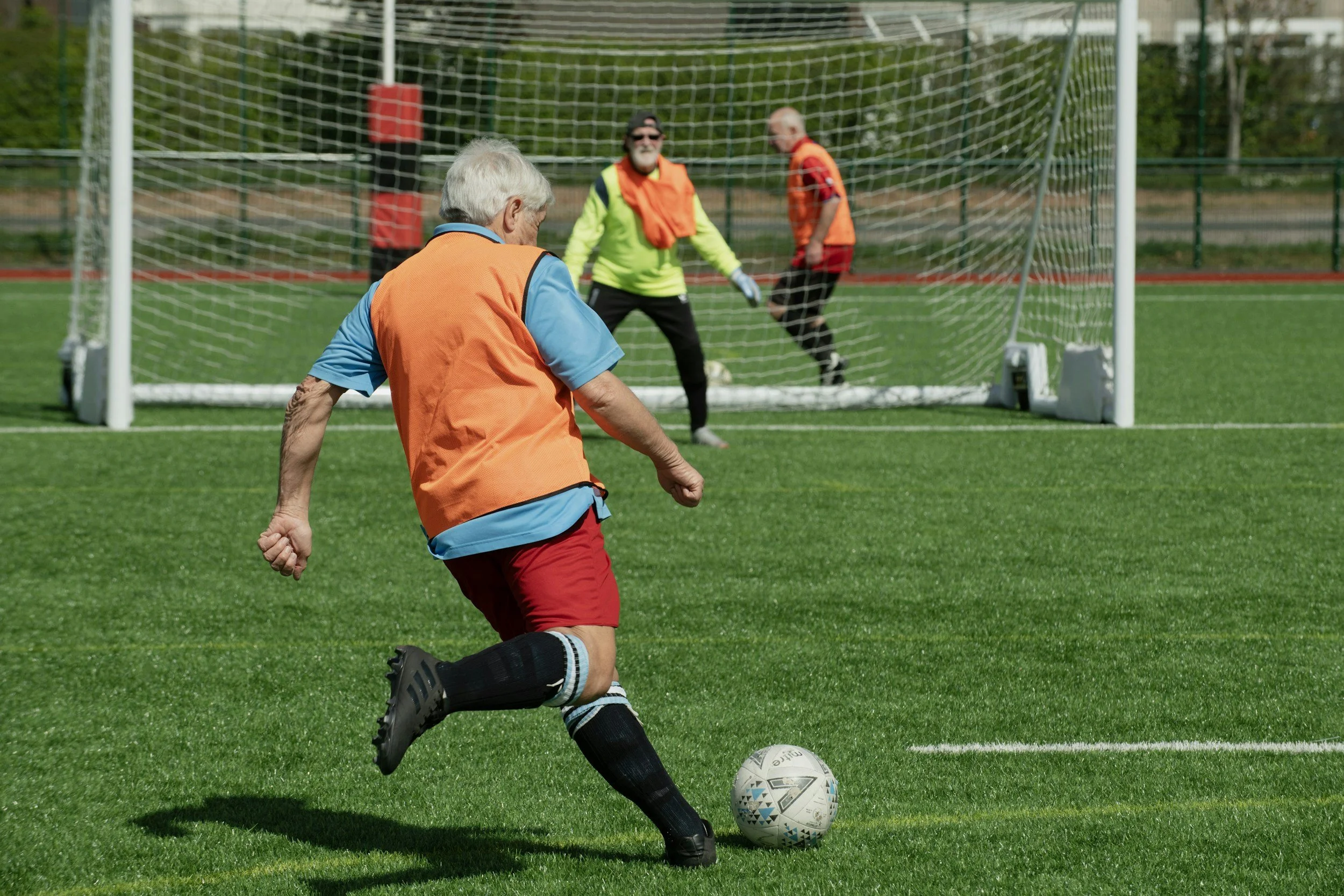
Aging is a natural part of life that also brings important changes in our body. One of these are the changes in our metabolism, the process the body uses to turn food into energy and maintain healthy tissues.

Running Injuries: What a Systematic Review Tells Us About Staying Healthy
Running is one of the simplest ways to stay active. You do not need expensive equipment, and you can run almost anywhere. However, running also places repeated stress on the muscles, bones, tendons, and joints. Because of this, runners can develop injuries, especially when they train too hard or do not give their bodies enough time to recover.

The Gatekeeper Dilemma: Do I Need a Doctor's Referral to See a Physical Therapist in the Philippines?
If you are looking for physical therapy in the Philippines, the answer to whether you need a referral isn't just a matter of clinic policy—it’s actually written into national law. Here is exactly what the science, the legal framework, and practical realities say about getting care.
Tennis Elbow vs. Pickleball Elbow: Treating Overuse Injuries in Trendy Racquet Sports
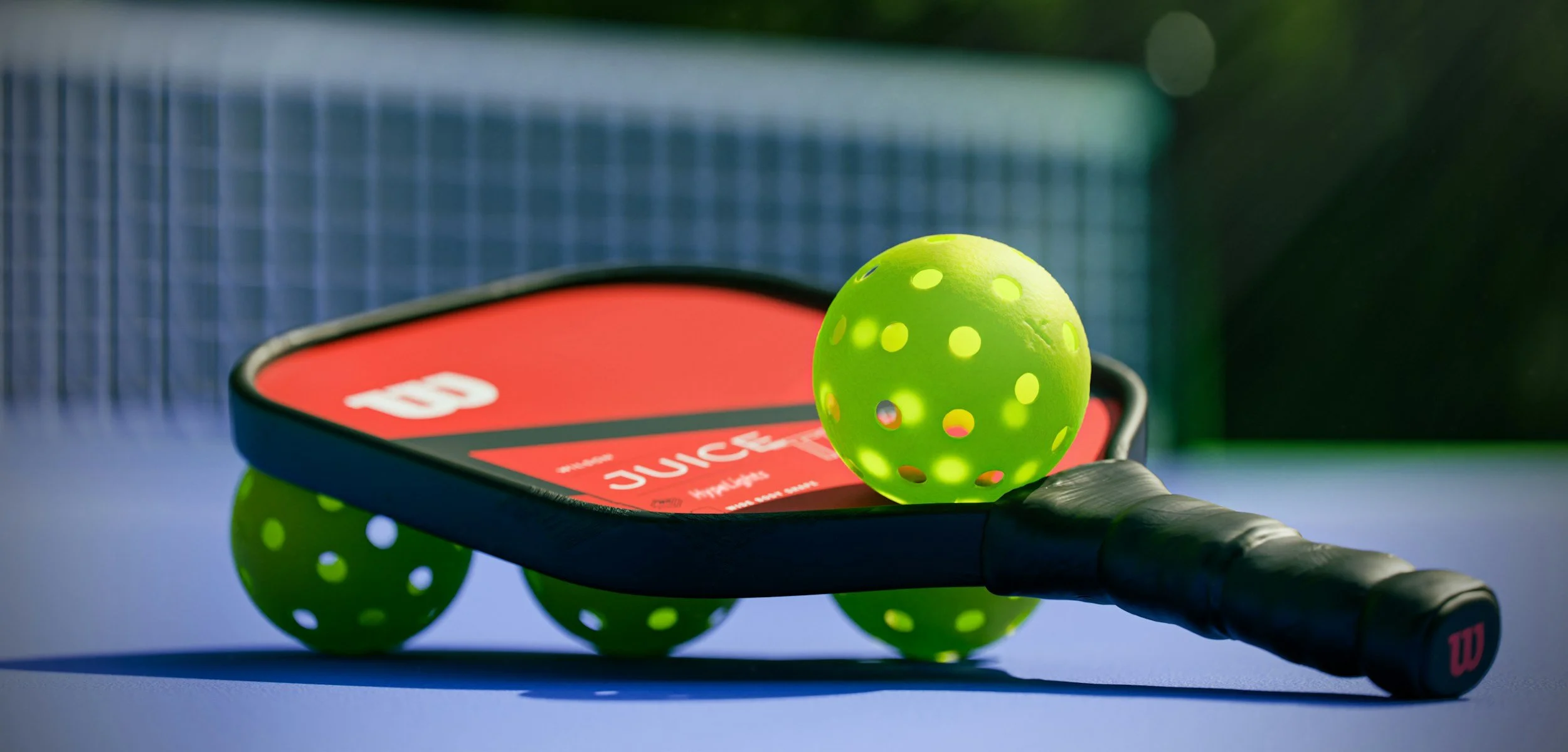
Racquet sports are becoming increasingly popular, from tennis matches to the growing pickleball community. These sports are fun, social, and great for fitness - but they can also lead to one of the most common overuse injuries seen today: tennis elbow. Despite the name, tennis elbow does not only affect tennis players. It can also happen in pickleball players, gym-goers, office workers, and anyone performing repetitive gripping or wrist movements.

The Filipino Runner’s Guide to Shin Splints: Recovery Tips to Get You Back on the Road
Whether you’re training for your first 5K at an event, joining weekend fun runs, or simply trying to stay active, shin pain can quickly turn an enjoyable run into a frustrating experience. As a physiotherapist, one of the most common complaints I hear from runners is: “The front of my leg hurts when I run.” This is often caused by shin splints — a common overuse injury among runners, especially beginners or those suddenly increasing their training.
Your Physiotherapy Journey: What to Expect at Prohealth
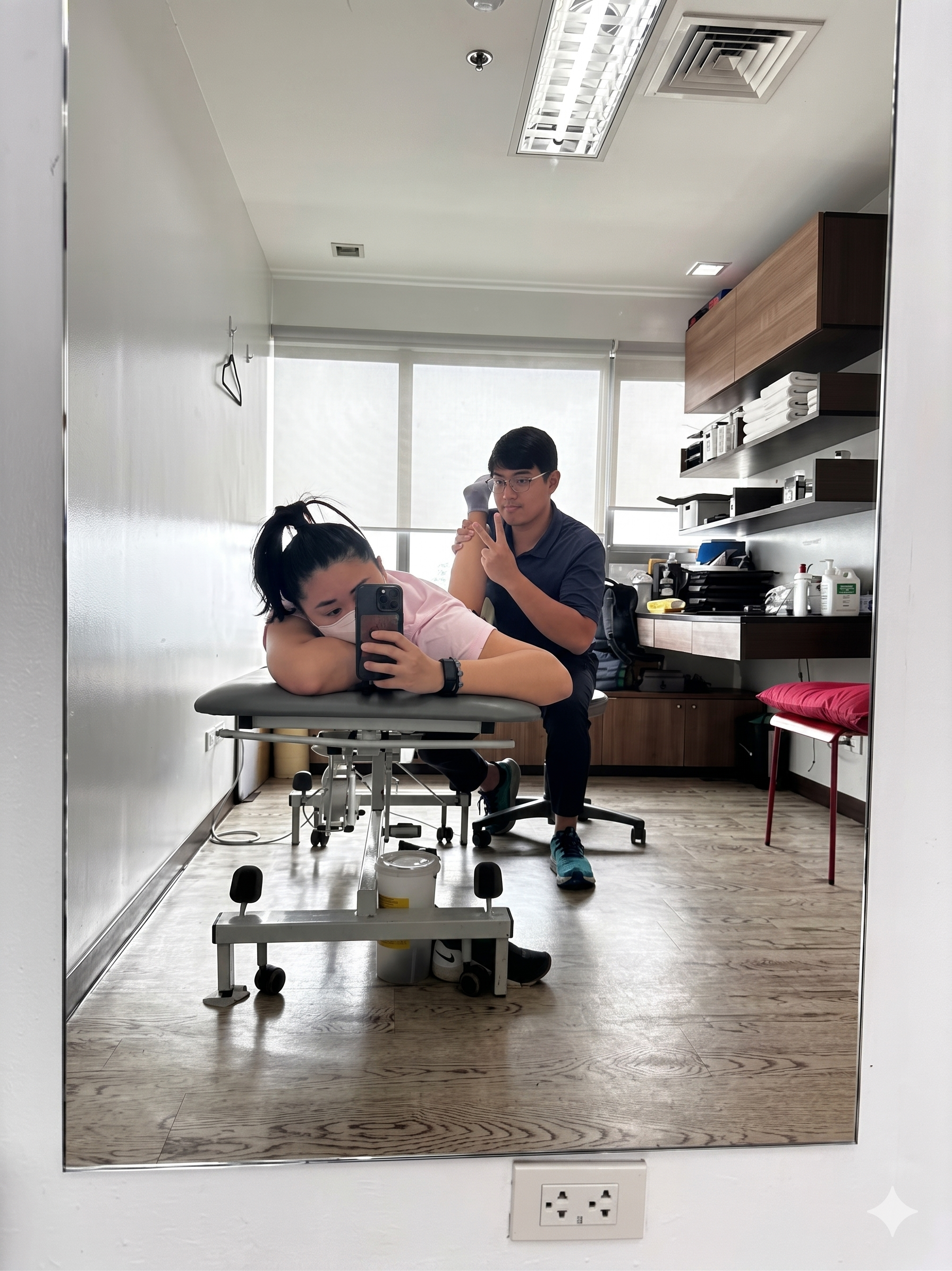
It often starts with a moment you didn’t expect. Maybe you felt a sudden click. A sharp jolt in your joint. Pain during movement. Or perhaps something simply didn’t feel right - and you weren’t sure what happened next. Like many people, you may have searched online for answers and found a clinic you could trust: Prohealth.
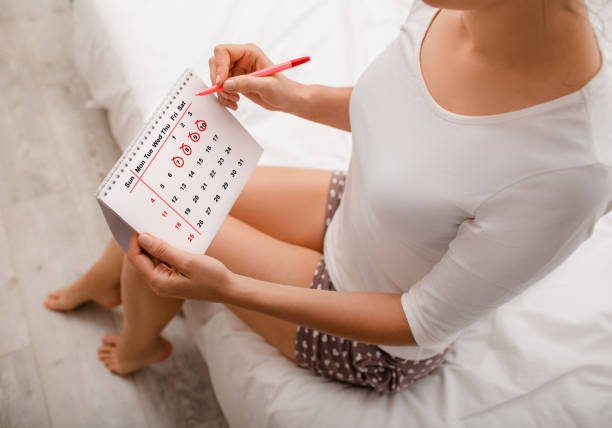
How to Navigate Workouts Around Your Menstrual Cycle: A Strength-Focused Guide
For a long time, the fitness industry was built by men, for men. The standard "grind culture" advice was to push through every single day at 100% intensity, regardless of how you felt. However, if you are a woman with a menstrual cycle, you know your body doesn’t operate on a linear 24-hour clock. Instead, it follows a 28-day (approximate) hormonal symphony. Some days you feel like you could deadlift a car; other days, a light jog feels like a mountain climb.
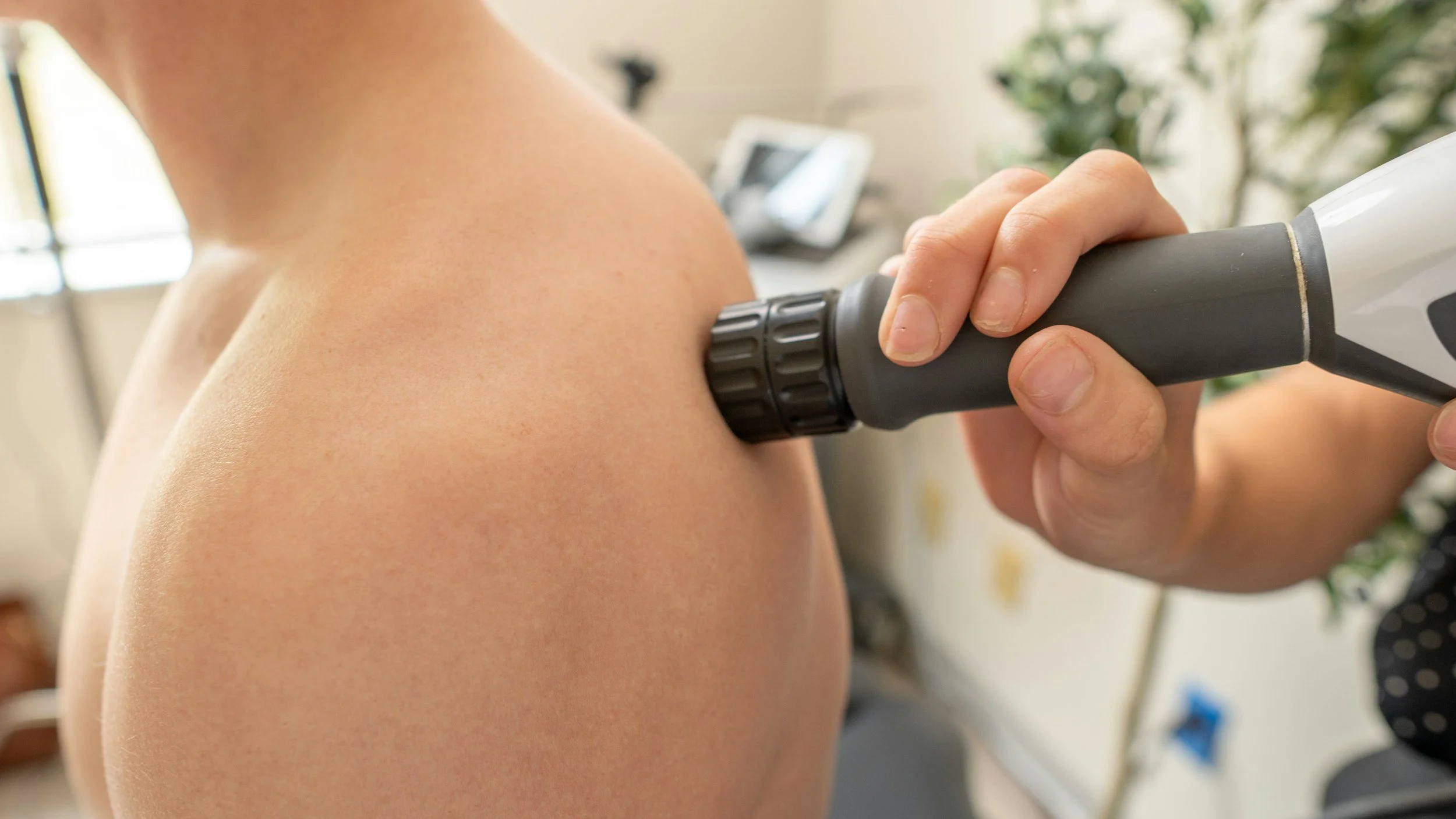
Frozen Shoulder (Adhesive Capsulitis): Causes, Stages, and Best Treatments
Adhesive Capsulitis or Frozen Shoulder is a shoulder condition that affects patients’ pain, range of motion and function for years. There are two classifications of Frozen Shoulder, we have Primary or Idiopathic Frozen Shoulder, and Secondary Frozen Shoulder.

Bye Bye Bladder Leaks: Your Guide to Incontinence After Childbirth (And What You Can Do About It!)
Giving birth is one of life’s most powerful experiences—but for many women, it can come with unexpected extra baggage: Incontinence. That’s when your bladder leaks urine without meaning to, especially when coughing, sneezing, running, lifting, or sometimes even at rest. Let’s talk about what’s really going on, how common it is, and what steps you can take to get back control.

Say Goodbye to Shooting Leg Pain: Understanding Sciatica and How to Find Relief
Sciatica is a type of pain that starts in your lower back and travels down your buttock and into one (sometimes both) leg. It happens when the sciatic nerve, the longest nerve in your body, gets irritated or squeezed. Trusted medical sources such as the Mayo Clinic and the National Health Service explain that sciatica is not a disease itself, but a symptom caused by pressure on a nerve in the lower back.

Why Is It Harder to Get Healthier as We Age?
In our 20s, most people find it relatively easy to gain or lose weight to reach their ideal physique. However, as we reach our 30s, many who were once fit begin to struggle with weight maintenance. This shift is why many believe that metabolism significantly declines once we hit 30. Yet, according to Pontzer (2021), metabolism for both sexes actually stabilizes and remains consistent from our 20s through our 60s—even during pregnancy.

Stop the "Rest-Run-Pain" Cycle: A Modern Guide to Shin Splints
If you’ve ever started a new running routine only to be sidelined by a nagging, dull ache along your inner shin, you know how frustrating shin splints can be. Most runners follow a predictable pattern: they feel pain, they rest for a week until it fades, and then they head back out only for the pain to return within the first mile.

Clicks and Aches: The Brain - Jaw Connection
Ever wonder why your clicking jaw, aching face, and headaches still persists? Some would assume that jaw pain is just a simple dental problem, while other believe it’s purely caused by joint dysfunction. However, pain is far more complex than it appears. It’s quite tricky to pinpoint a singular cause because the brain and nervous system can play a powerful role in how your jaw pain develops, persists, and is experienced.
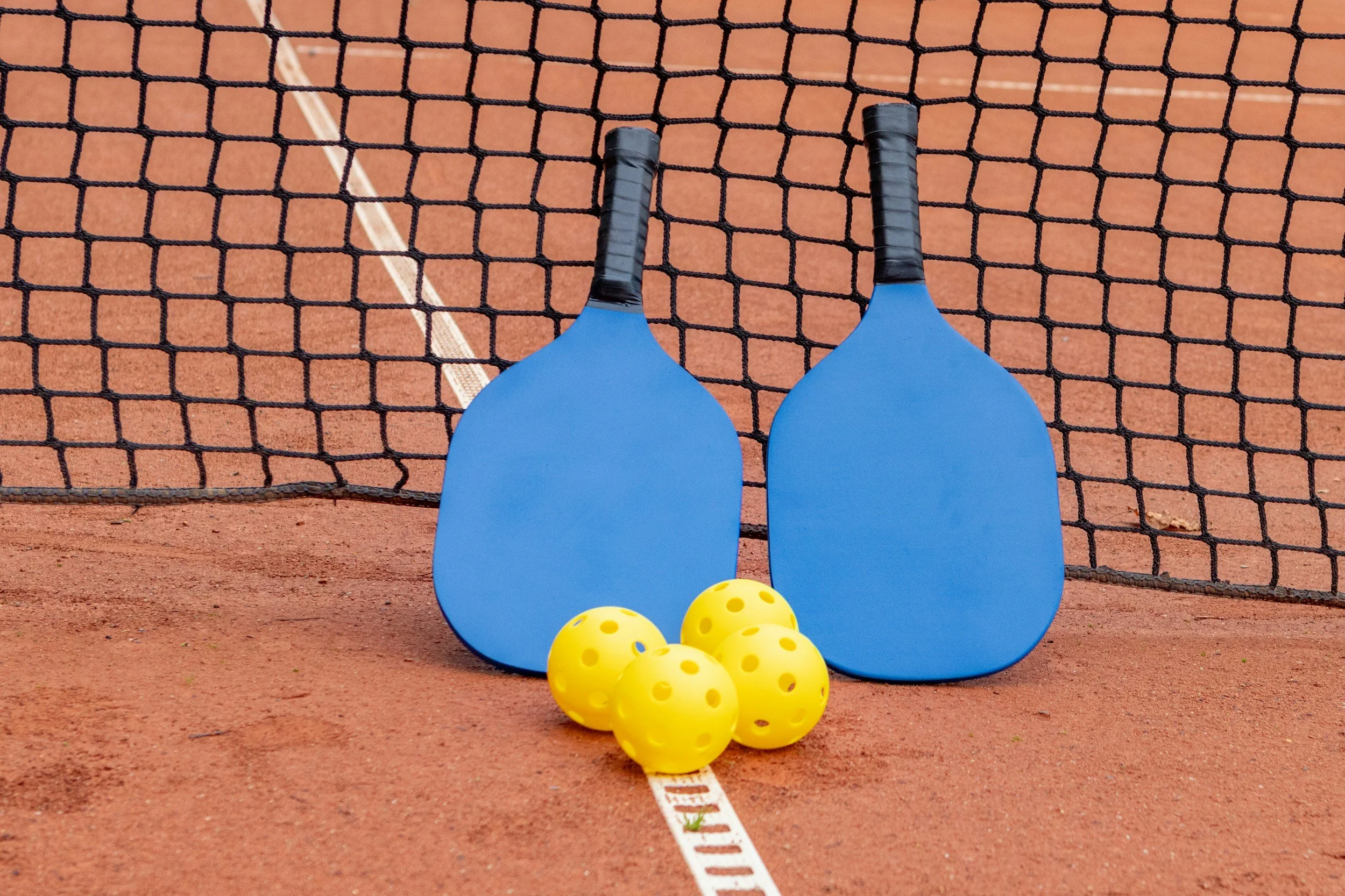
Pickleball : What Happens When Your Smash Fights Back
Pickleball has quickly become one of the most popular recreational sports. It’s easy to learn, to socialize, and a great way to stay active. However, as players spend more time on the court practicing their serves, volleys and powerful overhead smashes, some may begin to notice an unwelcome opponent: a shoulder pain.
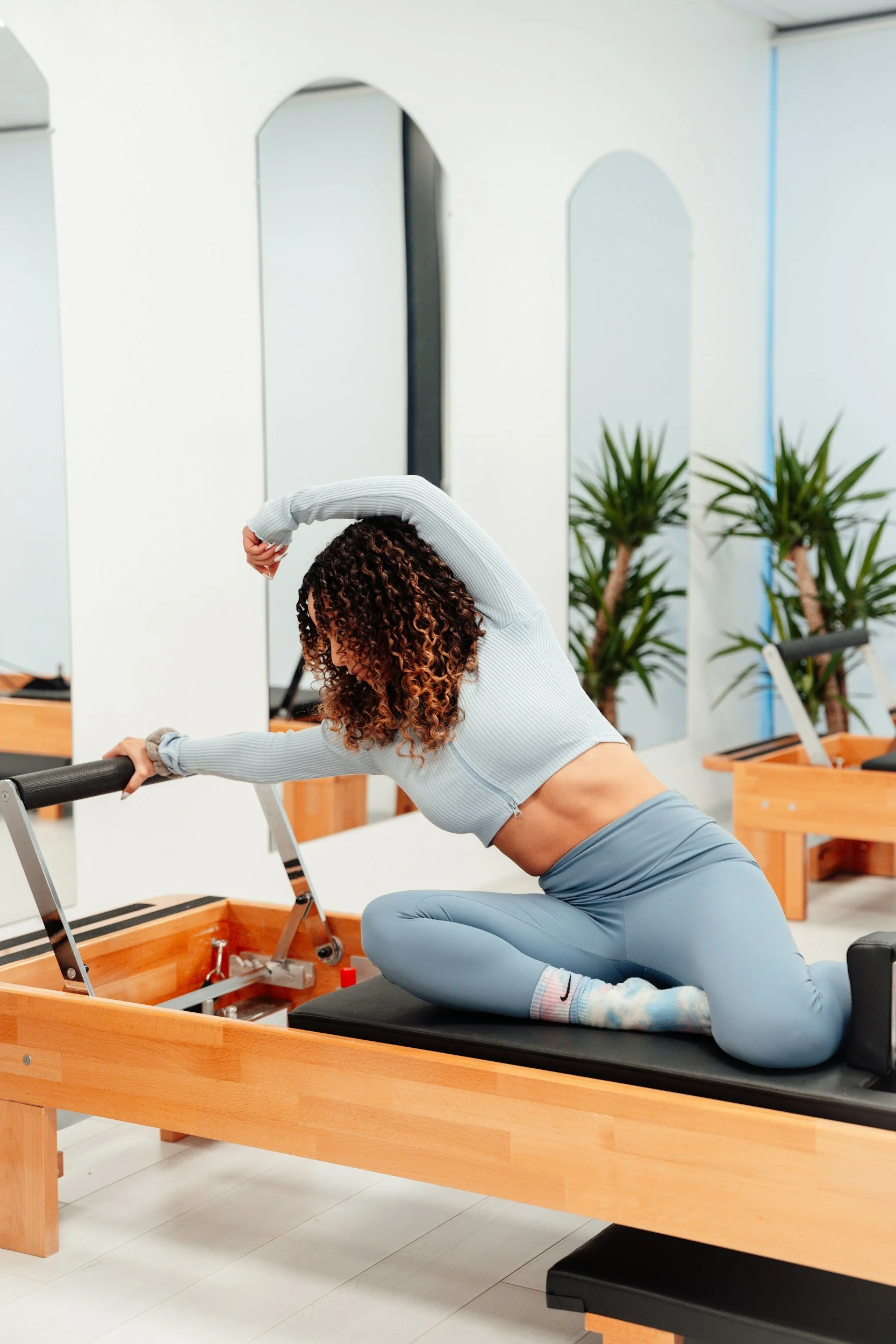
Why Clinical Pilates Beats Generic Exercise, According to New Research
New research published in 2025 confirms that while all movement is good movement, Clinical Pilates is significantly more effective than generic Pilates or generic exercise for fixing chronic pain, improving mobility, and getting long-term results . If you have been suffering from back pain, recovering from an injury, or just not getting results from the gym, here is why the "clinical" approach is the game-changer you need.
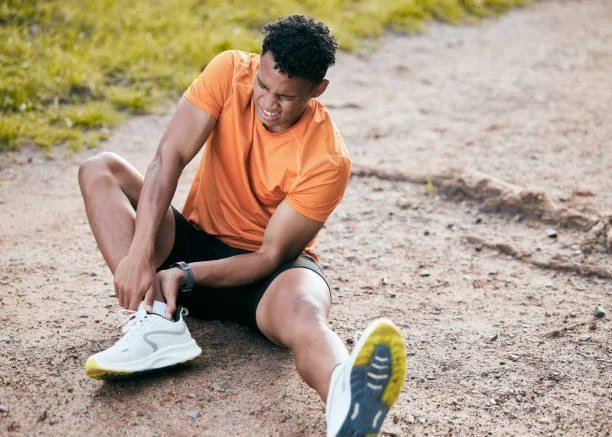
Why Recreational Athletes Keep Rolling Their Ankles And What We Can Do About It
Ankle sprains are often treated as minor, inconvenient injuries. Rest, Ice it. Tape it and go back to the game. But what I see over and over again is this: that simple ankle sprain becomes the ankle that keeps giving away. The one that feels unreliable during cutting drills. The one that swells after a long run. The one you don’t fully trust when landing a jump.

Healing after Birth: Why Your Back Needs Attention Too
Bringing a baby into the world is empowering, as well as beautiful. It is also physically demanding in ways no one fully prepared you for. If you are dealing with low back pain after pregnancy, I want you to know you are not alone. I have experienced it myself, and I understand how frustrating and exhausting it can feel.
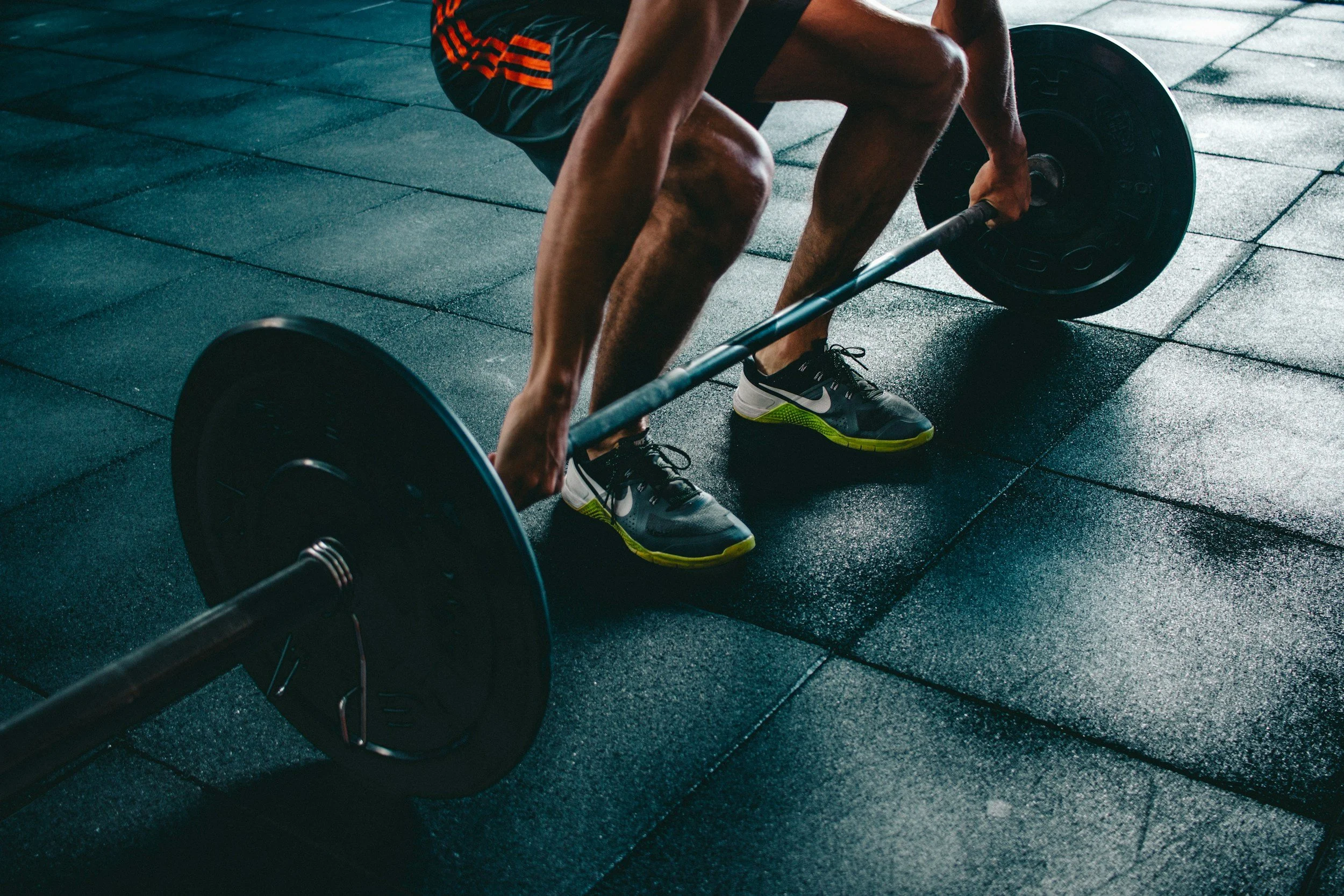
Why does obsession with “exercise form” delay our gains?
Whenever we do our training, in the gym or on the track, there will always be a sports bro / gym bro who will tell any beginner to intermediate level athlete that we need to improve our form. While they may mean well, especially in improving the efficiency in our movement, obsession to exercise form can impact the trainee’s gains negatively.
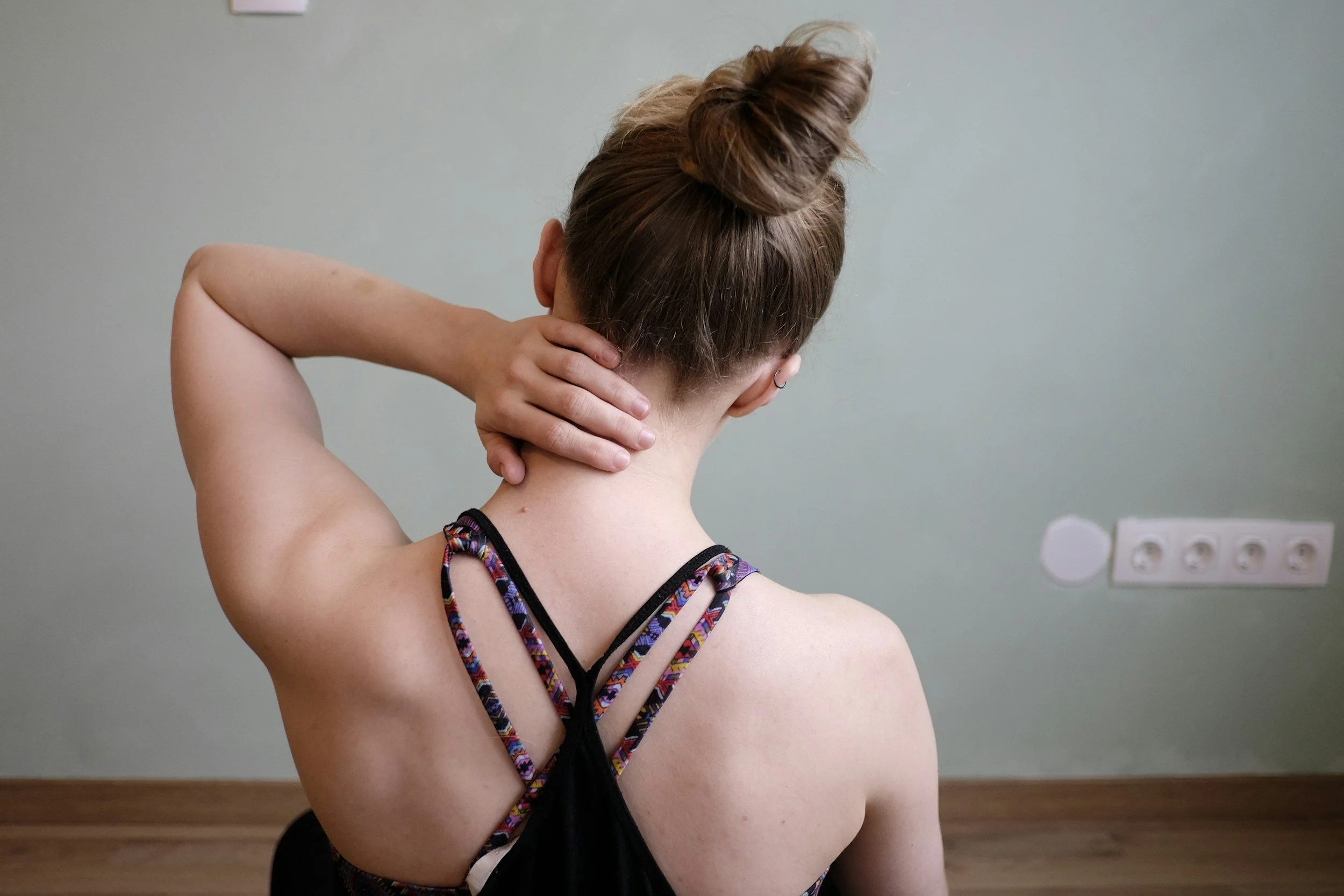
The Tech Neck Epidemic: Is Your Phone Ruining Your Spine?
Modern life is lived through screens, but our bodies are paying a steep price for this convenience. "Tech Neck"—the strain caused by prolonged forward-leaning posture—has become a global health burden, affecting over 288 million people worldwide. While common, this chronic strain should not be normalized.