

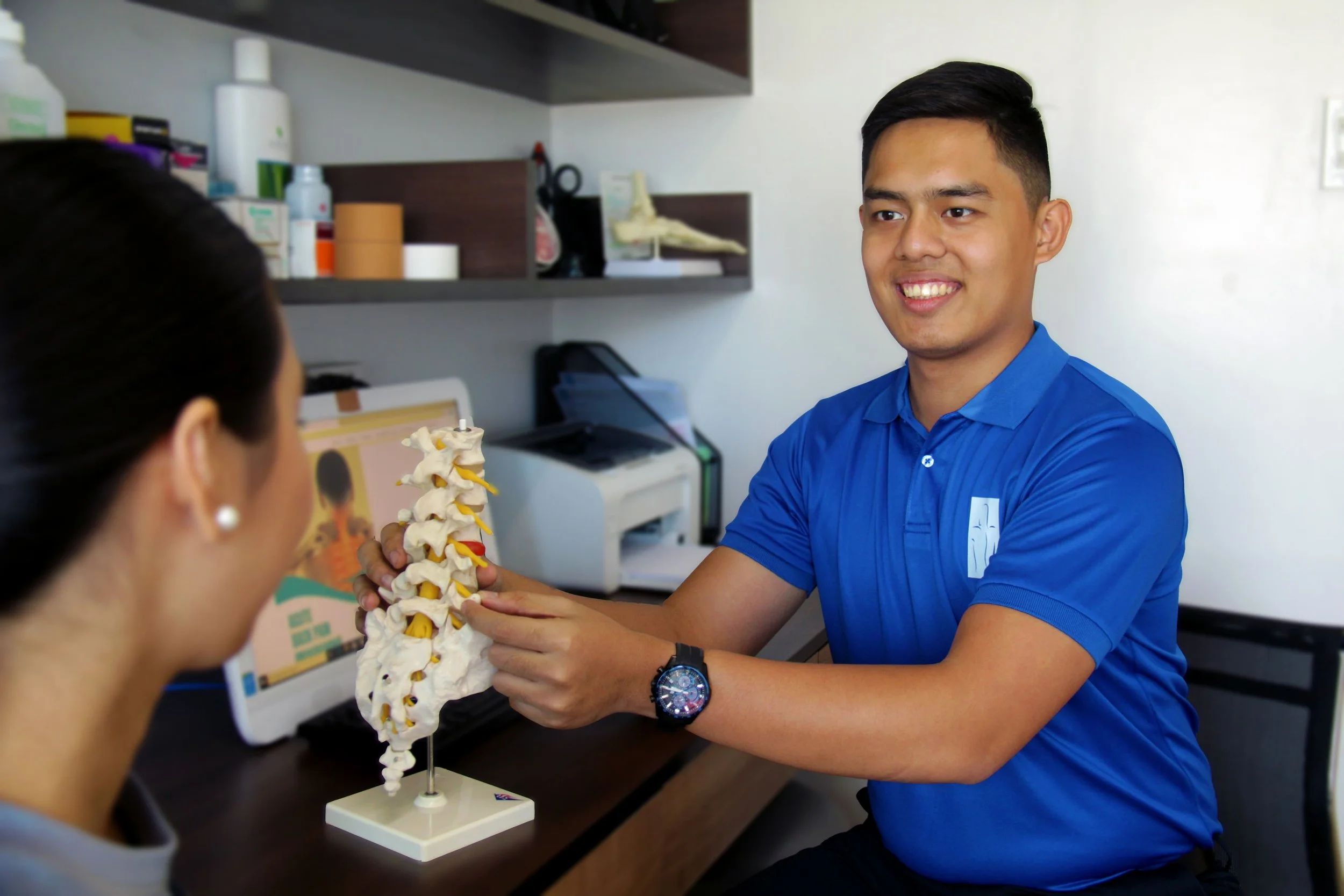
Prohealth Asia’s
Philippines Blog
Welcome to the Prohealth Philippines blog, your go-to source for expert tips from our physiotherapy team, as well as the latest news on upcoming events and exclusive promotions. Our experienced physiotherapists share their insights on maintaining optimal health, preventing injuries, and enhancing your overall well-being. Stay informed about our workshops, health seminars, and special offers designed to support your journey to wellness. Join us as we explore the best practices in physiotherapy and corporate wellness across Asia.

Running Injuries: What a Systematic Review Tells Us About Staying Healthy
Running is one of the simplest ways to stay active. You do not need expensive equipment, and you can run almost anywhere. However, running also places repeated stress on the muscles, bones, tendons, and joints. Because of this, runners can develop injuries, especially when they train too hard or do not give their bodies enough time to recover.
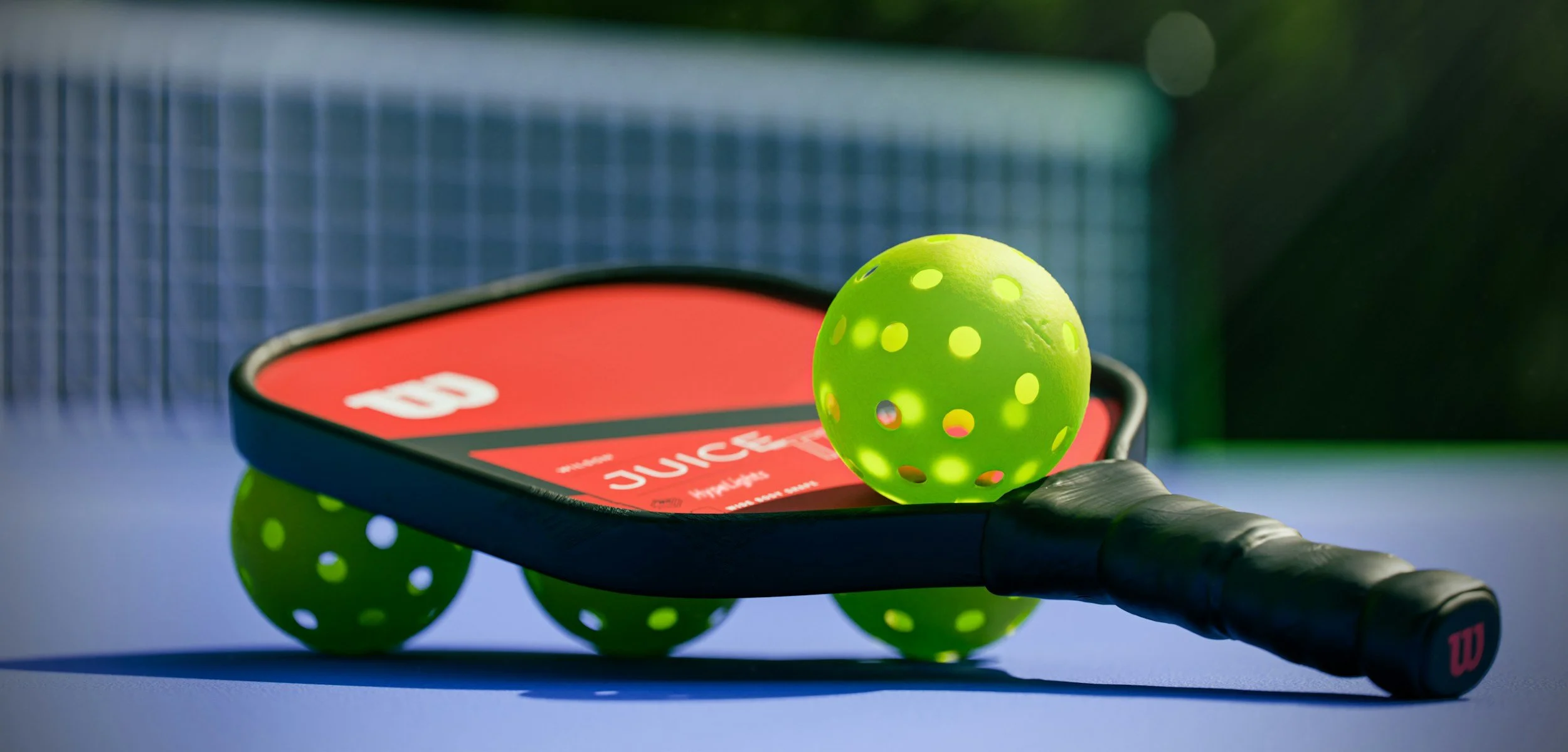
Tennis Elbow vs. Pickleball Elbow: Treating Overuse Injuries in Trendy Racquet Sports
Racquet sports are becoming increasingly popular, from tennis matches to the growing pickleball community. These sports are fun, social, and great for fitness - but they can also lead to one of the most common overuse injuries seen today: tennis elbow. Despite the name, tennis elbow does not only affect tennis players. It can also happen in pickleball players, gym-goers, office workers, and anyone performing repetitive gripping or wrist movements.

The Filipino Runner’s Guide to Shin Splints: Recovery Tips to Get You Back on the Road
Whether you’re training for your first 5K at an event, joining weekend fun runs, or simply trying to stay active, shin pain can quickly turn an enjoyable run into a frustrating experience. As a physiotherapist, one of the most common complaints I hear from runners is: “The front of my leg hurts when I run.” This is often caused by shin splints — a common overuse injury among runners, especially beginners or those suddenly increasing their training.

Stop the "Rest-Run-Pain" Cycle: A Modern Guide to Shin Splints
If you’ve ever started a new running routine only to be sidelined by a nagging, dull ache along your inner shin, you know how frustrating shin splints can be. Most runners follow a predictable pattern: they feel pain, they rest for a week until it fades, and then they head back out only for the pain to return within the first mile.
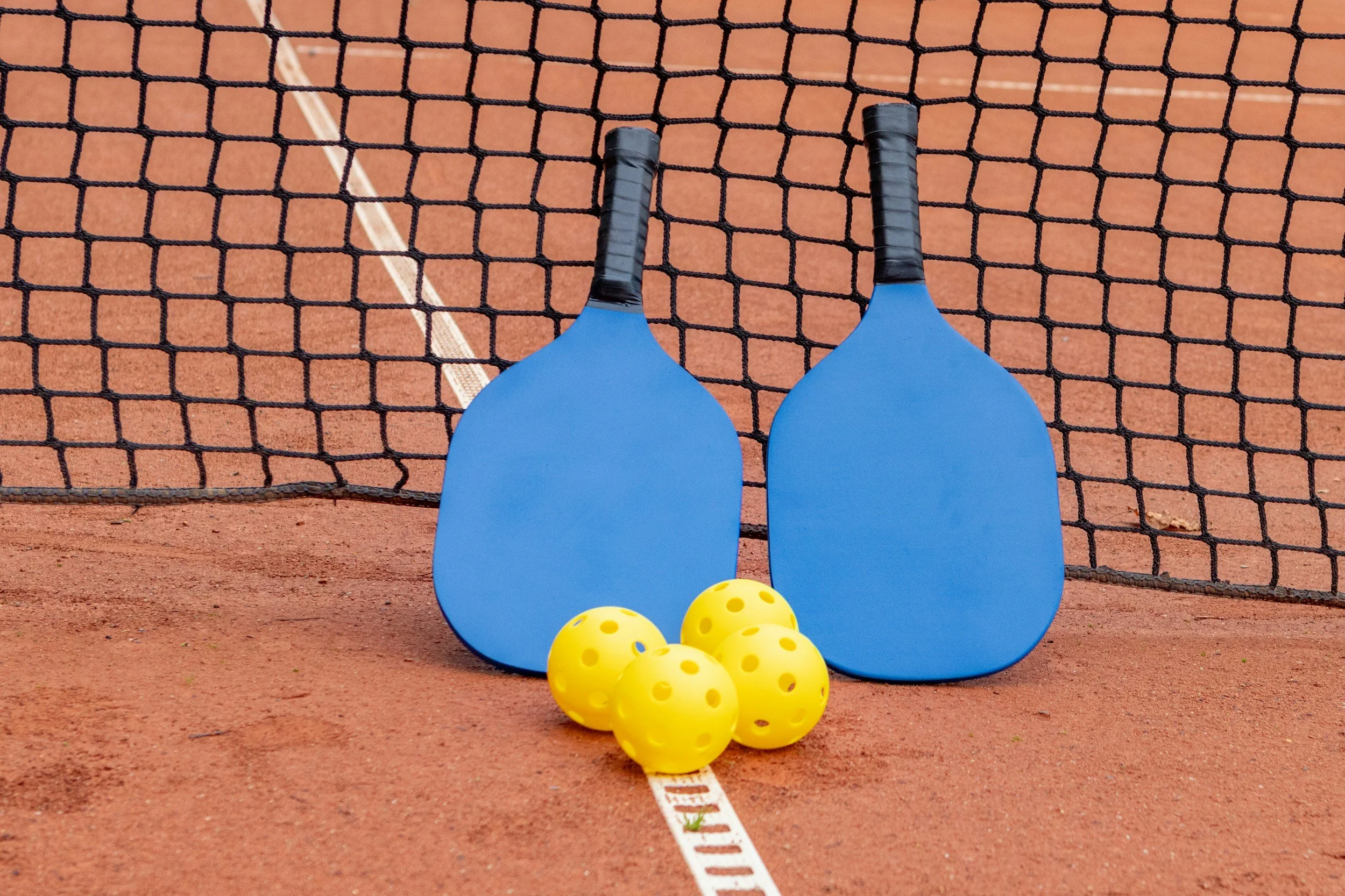
Pickleball : What Happens When Your Smash Fights Back
Pickleball has quickly become one of the most popular recreational sports. It’s easy to learn, to socialize, and a great way to stay active. However, as players spend more time on the court practicing their serves, volleys and powerful overhead smashes, some may begin to notice an unwelcome opponent: a shoulder pain.
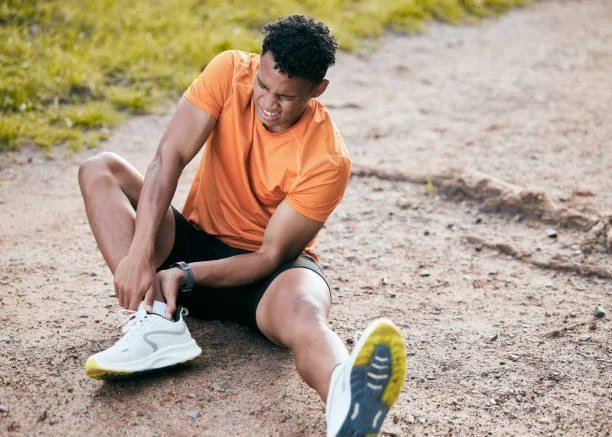
Why Recreational Athletes Keep Rolling Their Ankles And What We Can Do About It
Ankle sprains are often treated as minor, inconvenient injuries. Rest, Ice it. Tape it and go back to the game. But what I see over and over again is this: that simple ankle sprain becomes the ankle that keeps giving away. The one that feels unreliable during cutting drills. The one that swells after a long run. The one you don’t fully trust when landing a jump.
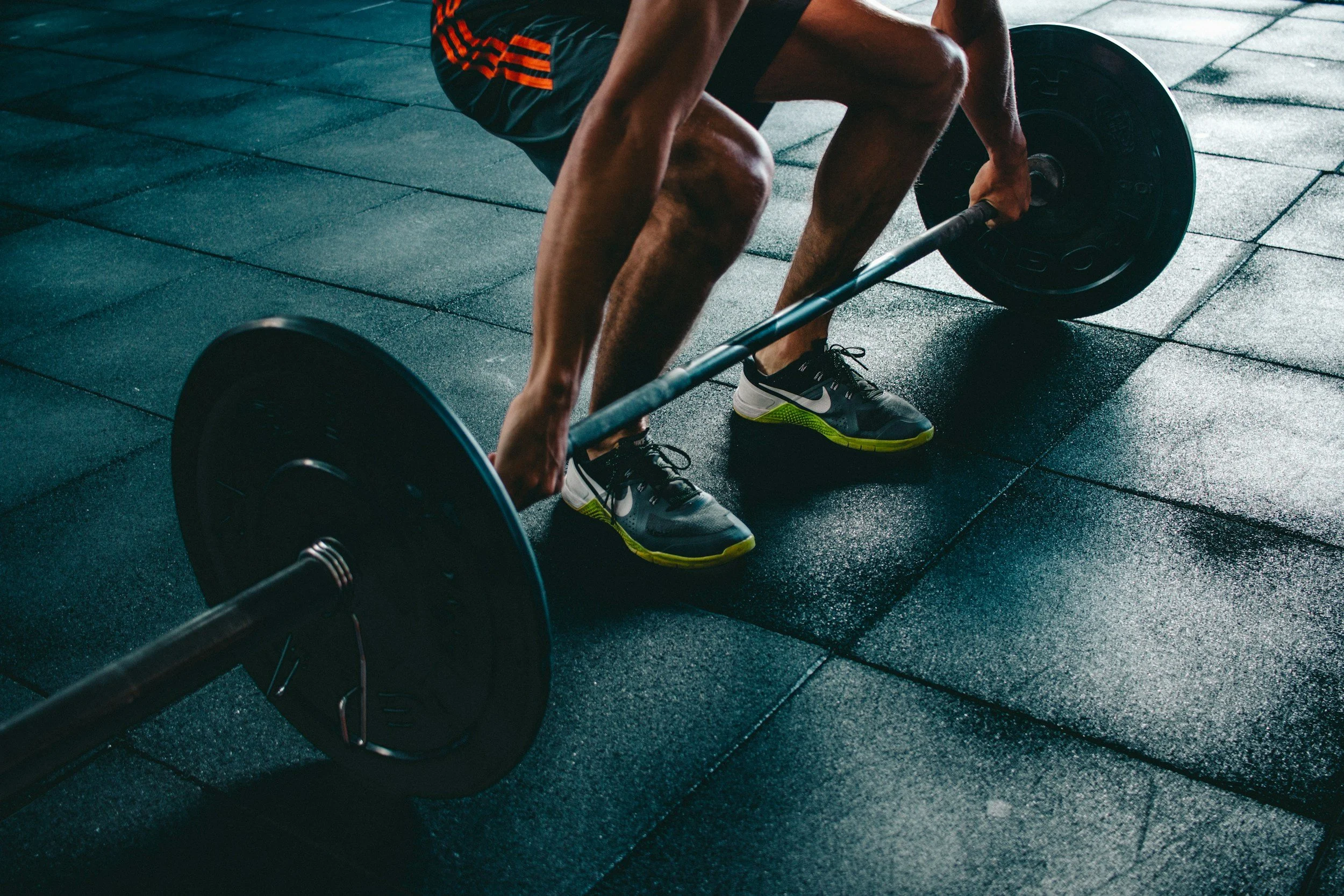
Why does obsession with “exercise form” delay our gains?
Whenever we do our training, in the gym or on the track, there will always be a sports bro / gym bro who will tell any beginner to intermediate level athlete that we need to improve our form. While they may mean well, especially in improving the efficiency in our movement, obsession to exercise form can impact the trainee’s gains negatively.