
Our Services
Male Pelvic Care
Expert Physiotherapy for Male Pelvic Care
How can our physiotherapists help?
Male Chronic Pelvic Pain Syndrome (CPPS) is a common urologic disorder, affecting up to 11% of men. It is characterized by persistent pain in the pelvic region without a detectable bacterial infection or obvious pathology. CPPS can be debilitating and significantly impact an individual's quality of life.
Our specialized physiotherapists at Prohealth Sports and Spinal understand that CPPS often involves musculoskeletal factors, including issues with the pelvic floor muscles, posture, and breathing patterns. We provide a confidential and comprehensive assessment to identify all contributing factors—including physical, environmental, social, and emotional issues—and design a personalized treatment plan to reduce pain and restore proper function.
Male Pelvic Care: Symptoms, Causes, and Treatment
Male Chronic Pelvic Pain Syndrome (CPPS) manifests through a variety of interconnected symptoms.
Common symptoms of Male CPPS include:
Pain: Genital and perineal pain, which can also manifest in the anal region, tailbone, buttocks, hips, and lower back.
Voiding Dysfunctions: Issues such as urinary urgency, incontinence, irritable bladder, obstructive urination, and obstructive or irritable bowel movements.
Sexual Dysfunctions: Difficulties such as weak erection, premature ejaculation, and painful ejaculation.
Aggravating Factors: Musculoskeletal pain that is often aggravated by stress, sitting, urination, bowel movement, sexual activity, or lifting heavy objects.
Our treatment approach is holistic, moving beyond simple pain relief to address the underlying muscular and functional causes of the syndrome.
Causes of Male Chronic Pelvic Pain
While the exact cause of CPPS is not always clear, it is widely linked to tension and dysfunction in the muscles of the pelvic floor, hips, and core, often exacerbated by stress and poor biomechanics.
Key contributing factors often include:
Pelvic Floor Muscle Dysfunction: Hypertonicity (tightness) or weakness in the pelvic floor muscles.
Musculoskeletal Imbalances: Poor posture, abnormal breathing patterns, and muscle tension in the lower back, hips, and tailbone.
Psychological and Lifestyle Factors: High stress levels or anxiety that can increase muscle guarding and pain sensitivity.
Physiotherapy Assessment and Diagnosis
A thorough initial assessment is crucial for accurate diagnosis and effective management of CPPS.
On the first session, our physiotherapist will:
Take a Comprehensive History: Review your condition in detail, including bladder, bowel, and sexual functions, as well as relevant medical, environmental, social, and emotional factors.
Physical Examination: Assess your overall posture, muscle condition, breathing patterns, and general movement of the entire body.
Pelvic Floor Examination: Perform a specialized examination of your pelvic floor muscles (with your consent).
Education and Goal Setting: Educate you on your present condition and assign an initial home exercise programme, while also setting short-term and long-term goals for recovery.
Physiotherapy Treatments and Advice
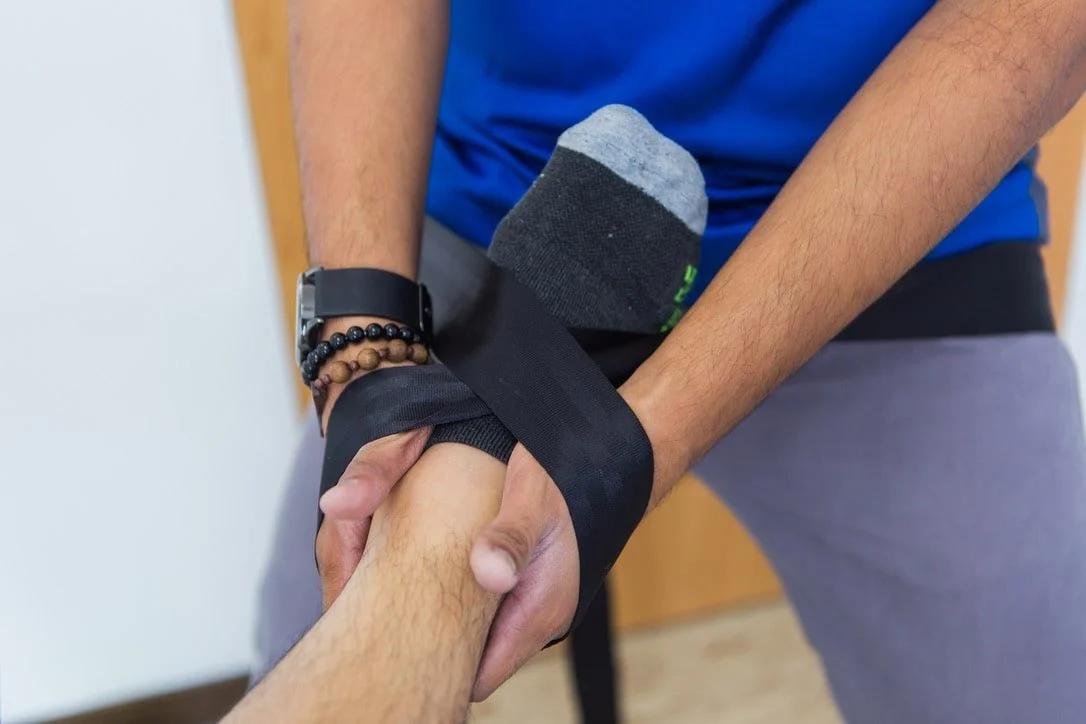
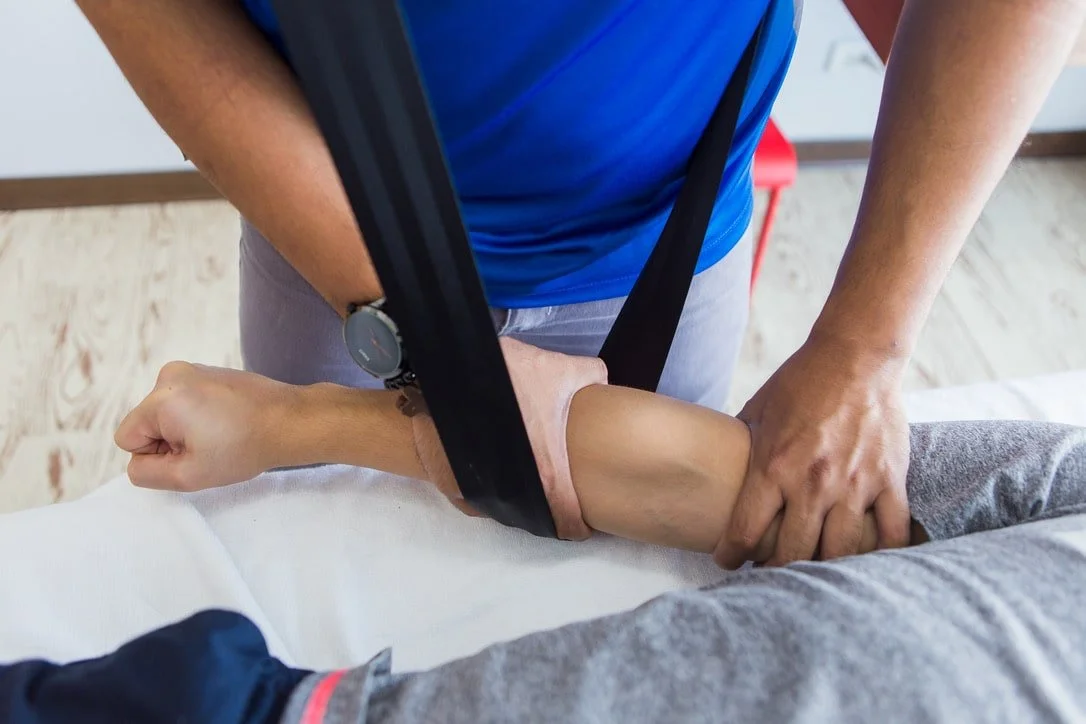
Subsequent sessions are focused on implementing the treatment plan through targeted manual therapy and an individualized exercise programme.
On the following sessions, our physiotherapist will:
Review and Re-evaluate: Review your symptoms and progress from the past 24-120 hours.
Exercise Program: Help you through the customized exercise program, which includes breathing exercises, stretching exercises, and strengthening exercises.
Manual Therapy: Perform external and internal work on your pelvic floor muscles as required to release tension and restore function.
Need Help With Male Pelvic Pain?
If you are experiencing any of the symptoms of Male Chronic Pelvic Pain Syndrome, consulting a specialized physiotherapist can be a highly effective step toward managing and resolving your condition.
To find out more about Male Chronic Pelvic Pain Syndrome and get a confidential assessment, book a session with our physiotherapist today.