
Our Services
Meniscus Injury
Expert Physiotherapy & Rehabilitation for Meniscus Tear and Knee Injury
How can our physiotherapists help with your meniscus injury?
A meniscus tear is one of the most common knee injuries, affecting the C-shaped cartilage that acts as a shock absorber and stabilizer in the joint. Whether it's a sports injury or a degenerative tear, it often disrupts normal knee mechanics and leads to significant knee pain, swelling, and reduced mobility.
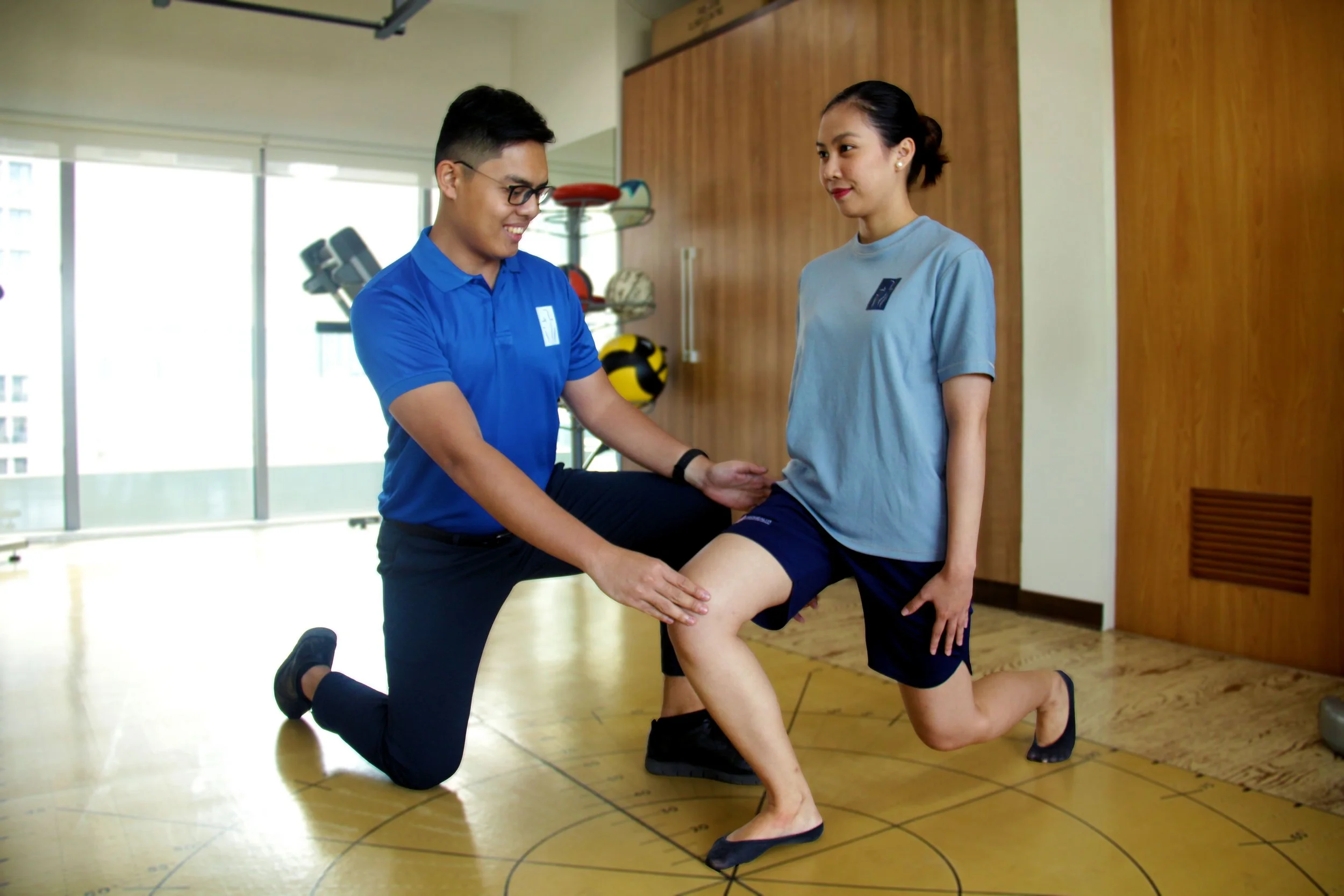
Our team starts with a comprehensive assessment, where we look at your gait, range of motion, strength, and stability. We then design a personalized rehab plan for pain relief, strengthening, and restoring function. Our goal is more than just alleviating knee pain, we strive to minimize the risk of future meniscus injury, and guide you safely back to your activities.
Meniscus Tear Symptoms, Causes, and Advanced Treatment Approach
Understanding the Root Causes of Your Meniscus Tear
The menisci (medial and lateral) are essential pieces of cartilage in the knee, providing cushioning between the thigh bone (femur) and shin bone (tibia). They help distribute load and maintain joint stability. A tear, or meniscus injury, can result from various factors:
Sudden Trauma & Sports Injury: This is often the cause of an acute meniscus tear, occurring during activities like football, basketball, or skiing, when the knee is twisted or rotated forcefully while the foot is planted on the ground.
Degenerative Meniscus Tear: In older adults, the cartilage weakens over time, making it susceptible to tearing with minimal trauma, even from a simple squatting motion. This is a common non-sports related knee injury.
Repetitive Strain: Activities that involve frequent squatting, kneeling, or heavy lifting can contribute to a gradual meniscus injury.
Symptoms of a Meniscus Tear and Knee Injury
Recognising the signs of a meniscus injury is the first step toward effective rehabilitation:
Sharp Knee Pain: Located in the knee joint, often worsening with activity or twisting movements.
Swelling and Stiffness: Inflammation that develops over a few hours or the next day following the injury.
Mechanical Symptoms: A distinct "locking," "catching," or "giving way" sensation in the knee, where movement is temporarily blocked or unstable.
Popping Sensation: A distinct sound or feeling in the knee at the moment of injury.
Restricted Movement: Difficulty achieving full knee extension or flexion.
Assessment and Diagnosis of Knee Injury
Our expert physiotherapists will first find out the root cause and severity of your meniscus injury. They will conduct a thorough physical examination and specific orthopaedic tests (such as McMurray's test) to identify the extent of the damage and design an appropriate treatment plan.
Meniscus Tear Treatment and Rehabilitation Sessions
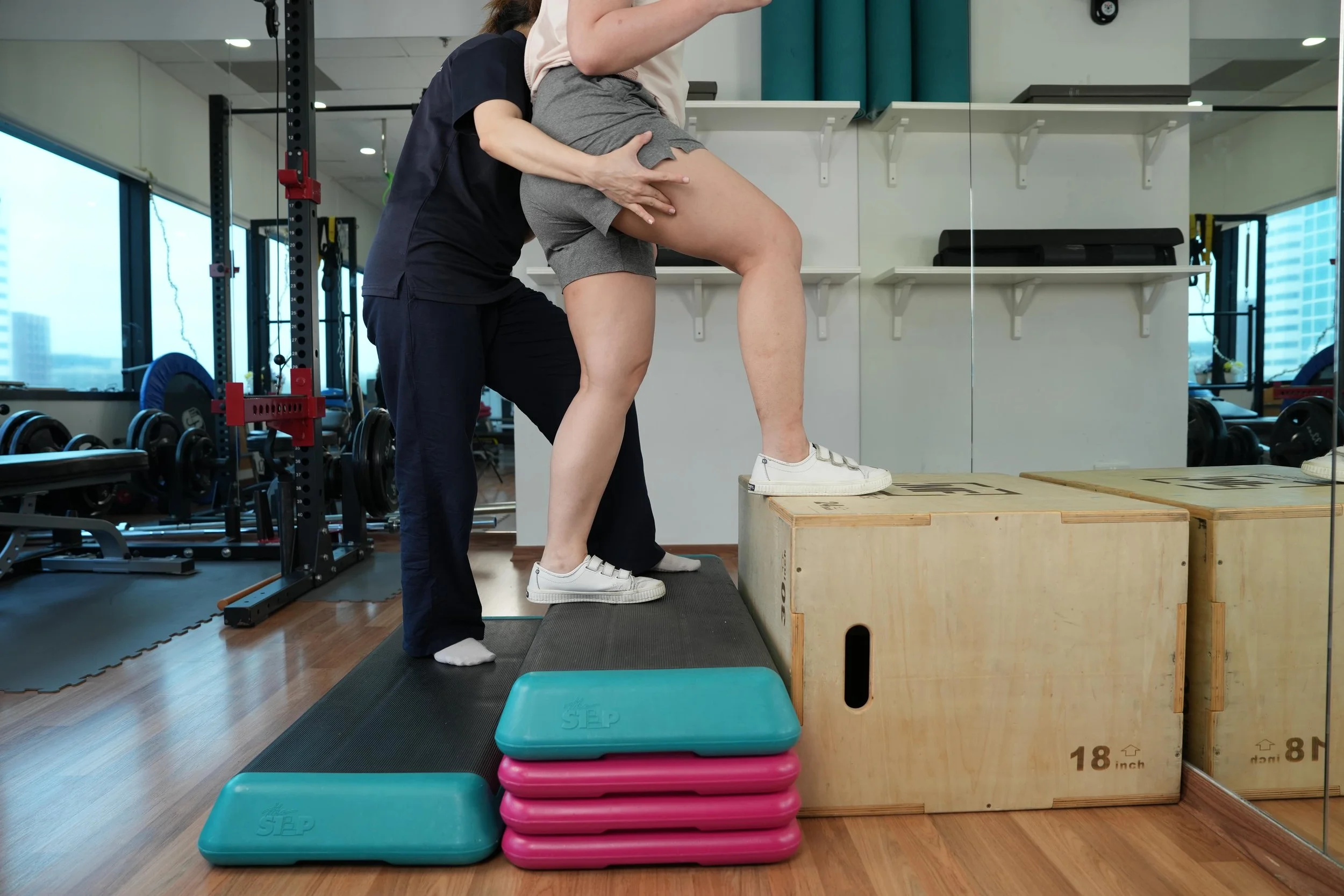
Our physiotherapists tailor treatment sessions based on the type, size, and location of your meniscus injury (and whether non-surgical or post-operative rehabilitation is required). A targeted meniscus tear rehabilitation program may include:
Pain Management: reduce acute inflammation and pain, control swelling.
Manual Therapy: Gentle joint mobilisation and soft tissue techniques to reduce stiffness and improve mobility.
Progressive Strengthening: A tailored exercise plan focused on restoring full range of motion and intensively strengthening the key muscle groups (quadriceps, hamstrings, and calves) essential for knee stability and preventing future knee injury.
Proprioception Training: Specific exercises to improve balance and your body's awareness of the knee's position in space. This is especially critical for athletes returning to sport after a meniscus injury.
Activity Modification & Return to Sport: Guidance on modifying daily activities and a structured progression for athletes to return to their sport.