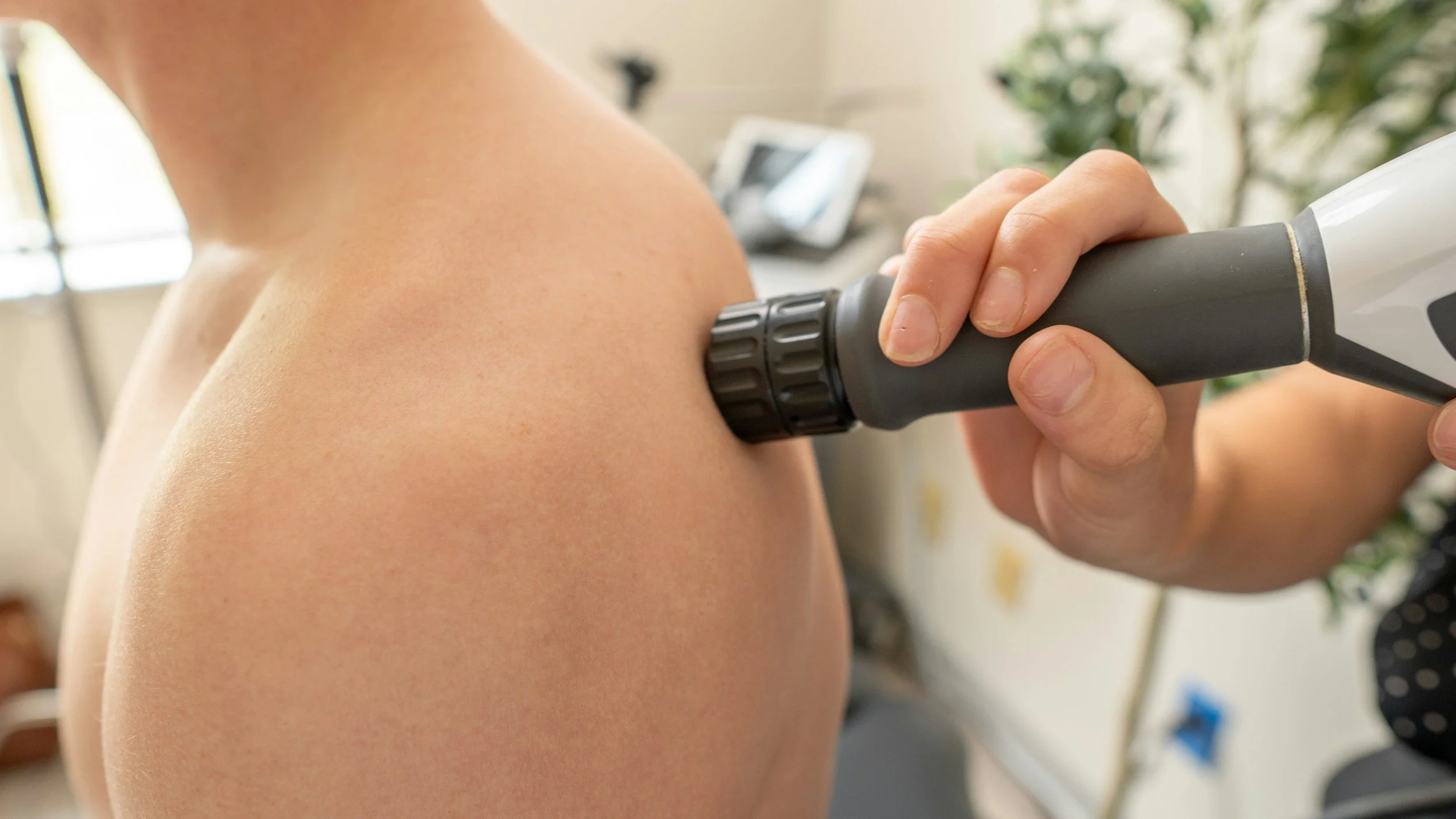


Adhesive capsulitis, commonly known as frozen shoulder, is a debilitating musculoskeletal disorder characterised by spontaneous shoulder pain and a progressive, global restriction of both active and passive glenohumeral motion. For many patients in the Philippines, the condition begins mysteriously, often without any identifiable trauma, fall, or acute sports injury.
What starts as a mild, vague ache when reaching for an overhead item can gradually escalate into severe night pain and an inability to perform routine daily tasks like combing hair, putting on a jacket, or reaching into a back pocket. To navigate this frustrating condition effectively, patients must understand the biological causes and recognise the four distinct adhesive capsulitis stages.
Pathophysiology and Common Trigger Factors
The underlying pathology of adhesive capsulitis involves an aggressive chronic inflammatory response within the synovial lining of the shoulder joint, followed by progressive capsular fibrosis. The axillary fold of the joint capsule, which normally hangs in loose, redundant folds to permit full overhead reaching, becomes inflamed, thickened, and adhered to itself, dramatically shrinking the intra-articular volume of the shoulder socket. While primary adhesive capsulitis is idiopathic and often linked to autoimmune factors, thyroid disorders, or diabetes, secondary capsulitis can arise after periods of prolonged shoulder immobilisation following breast surgery, cardiac procedures, rotator cuff tears, or wrist fractures.
Understanding the Four Clinical Stages of Adhesive Capsulitis
Clinical progression typically moves through four well-documented phases, each requiring a completely different treatment strategy. The first phase, the pre-freezing stage, lasts from zero to three months and presents with sharp pain at end-range movement, frequently misdiagnosed as simple subacromial impingement. The second phase, the freezing stage, spans three to nine months, marked by intense, persistent pain, severe night disturbances, and the progressive loss of external rotation and abduction. The third phase, the frozen stage, extends from nine to fifteen months, where acute inflammatory resting pain gradually plateaus, but the shoulder remains profoundly stiff, rigid, and mechanically locked. Finally, the thawing stage, which can last from fifteen to twenty-four months or longer, features the slow, gradual return of functional mobility as capsular remodelling takes place.
Stage-Specific Physiotherapy Interventions
Seeking professional frozen shoulder treatment in the Philippines early in this trajectory can substantially alter the course of the disorder. Trying to aggressively force a shoulder to move during the painful freezing phase is a critical mistake that provokes severe capsular spasm and exacerbates inflammation. Instead, specialised physical therapy matches intervention intensity directly to tissue irritability. During early phases, treatment centres on pain modulation, gentle distraction mobilisations, modalities for symptom relief, and posture education to prevent thoracic rounding. Once the patient transitions into the frozen and thawing phases, high-grade end-range joint mobilisations, posterior capsular stretching, and progressive kinetic chain strengthening are deployed to stretch fibrotic tissues and rebuild shoulder strength.
Comprehensive Recovery with Prohealth Asia
Living with a frozen shoulder can feel overwhelming, but structured, phase-specific physical therapy provides a clear and proven roadmap to recovery. At Prohealth Asia Philippines, located within Centuria Medical Makati, our experienced physiotherapists provide thorough diagnostic shoulder evaluations and customised manual therapy protocols to restore your range of motion safely. Schedule your consultation with our clinical rehabilitation team today.