
Why does obsession with “exercise form” delay our gains?
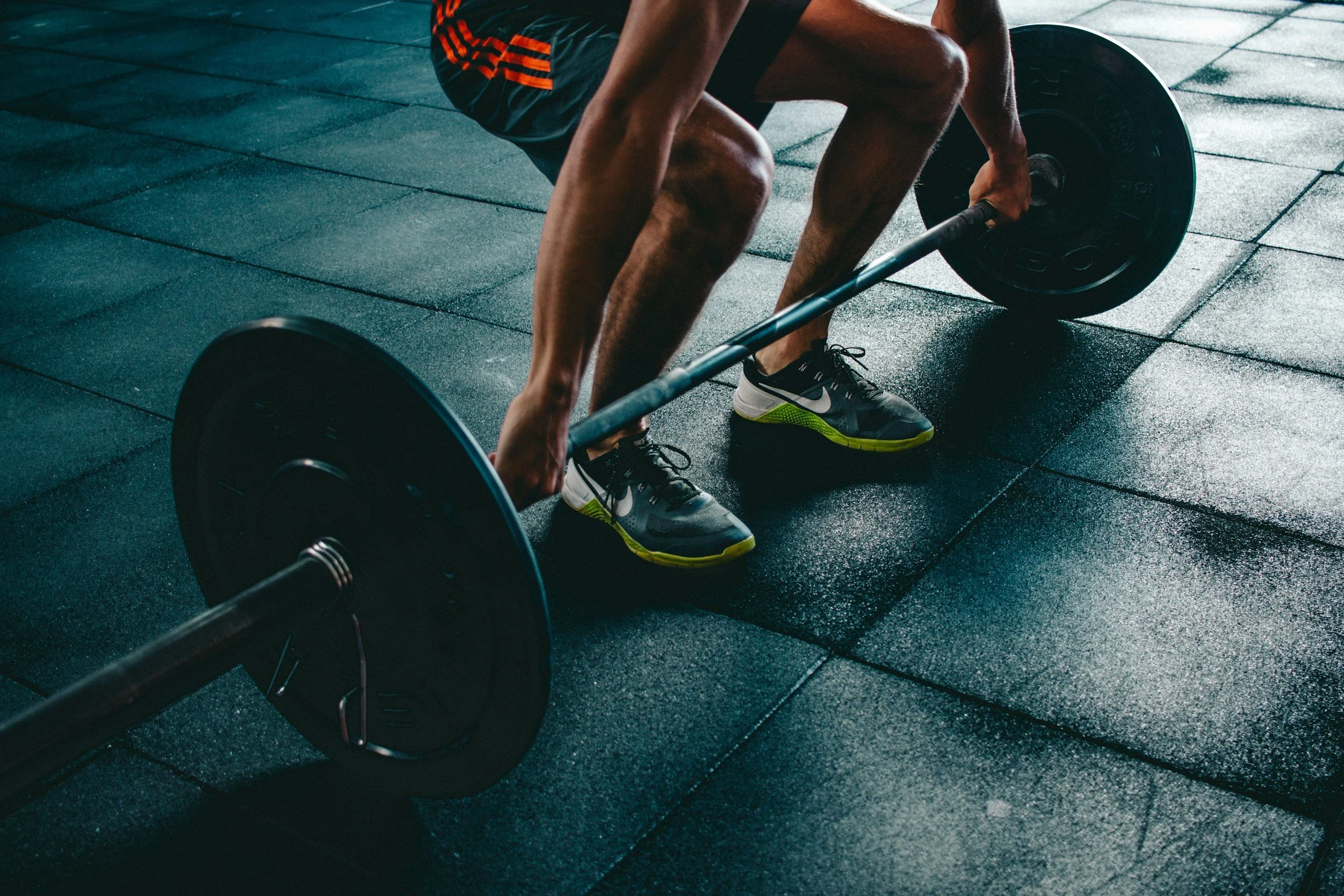
Whenever we do our training, in the gym or on the track, there will always be a sports bro / gym bro who will tell any beginner to intermediate level athlete that we need to improve our form. While they may mean well, especially in improving the efficiency in our movement, obsession to exercise form can impact the trainee’s gains negatively.
During the past decade, one in four adults (27.5%) and more than three-quarters (81%) of adolescents do not meet the recommended aerobic exercise as outlined in the 2010 Global Recommendations on Physical Activity for Health according to the WHO (2018).
Cognitive Load of Over-Correction
When we over-correct a movement, we are likely overloading information to the trainee where confidence can significantly decrease and learning will be impaired during this time.
Comparator Model
Comparator Model (CM) is a feed-forward mechanism of the motor control system that focuses on the sense of agency (SOA) or ability of the person to control their physical actions and the outcome of their activities. This model is a framework that allows us to visualize the change in movement behavior depending on the outcome of an action compared to the predicted outcome towards a desired goal.
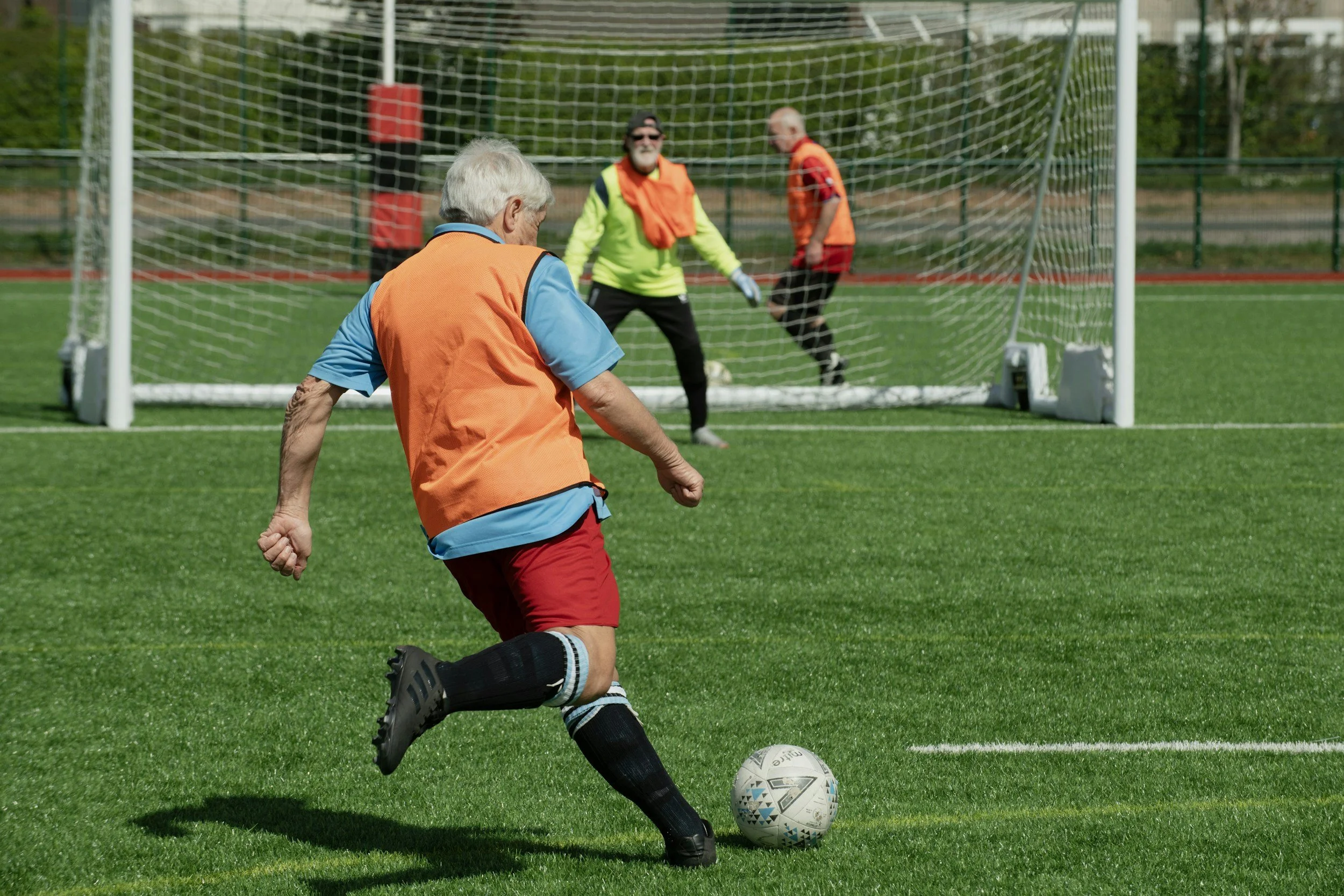
An example of this is when a person shoots a ball and the ball does not go into the ring, the body recognizes the outcome as feedback and will recalibrate in order to get the desired outcome of getting a score. As we go through the process of repetition, improvement of skills and physical capacity also improves.
Take away
Ultimately, the goal of exercise form is reproducibility and efficiency of movement; however, we, coaches, trainers, and physiotherapists need to understand that learning is a process, especially for beginner to intermediate athletes, and we learn as we go through the repetitions of the exercises. Overloading unnecessary cues may discourage movement to our athletes in the short term and our goal, as movement experts, is to improve not just the skill or efficiency of movement, but also the capacity of the trainee to perform the exercises.
References
Matthis Synofzik, Gottfried Vosgerau, Albert Newen. Beyond the comparator model: A multifactorial two-step account of agency, Consciousness and Cognition, Volume 17, Issue 1, 2008, Pages 219-239, ISSN 1053-8100, https://doi.org/10.1016/j.concog.2007.03.010.
World Health Organization (2020). Global Action Plan on Physical Activity 2018-2030: More Active People for a Healthier World. ISBN 978-92-4-151418-7