

Frozen Shoulder (Adhesive Capsulitis): Causes, Stages, and Best Treatments
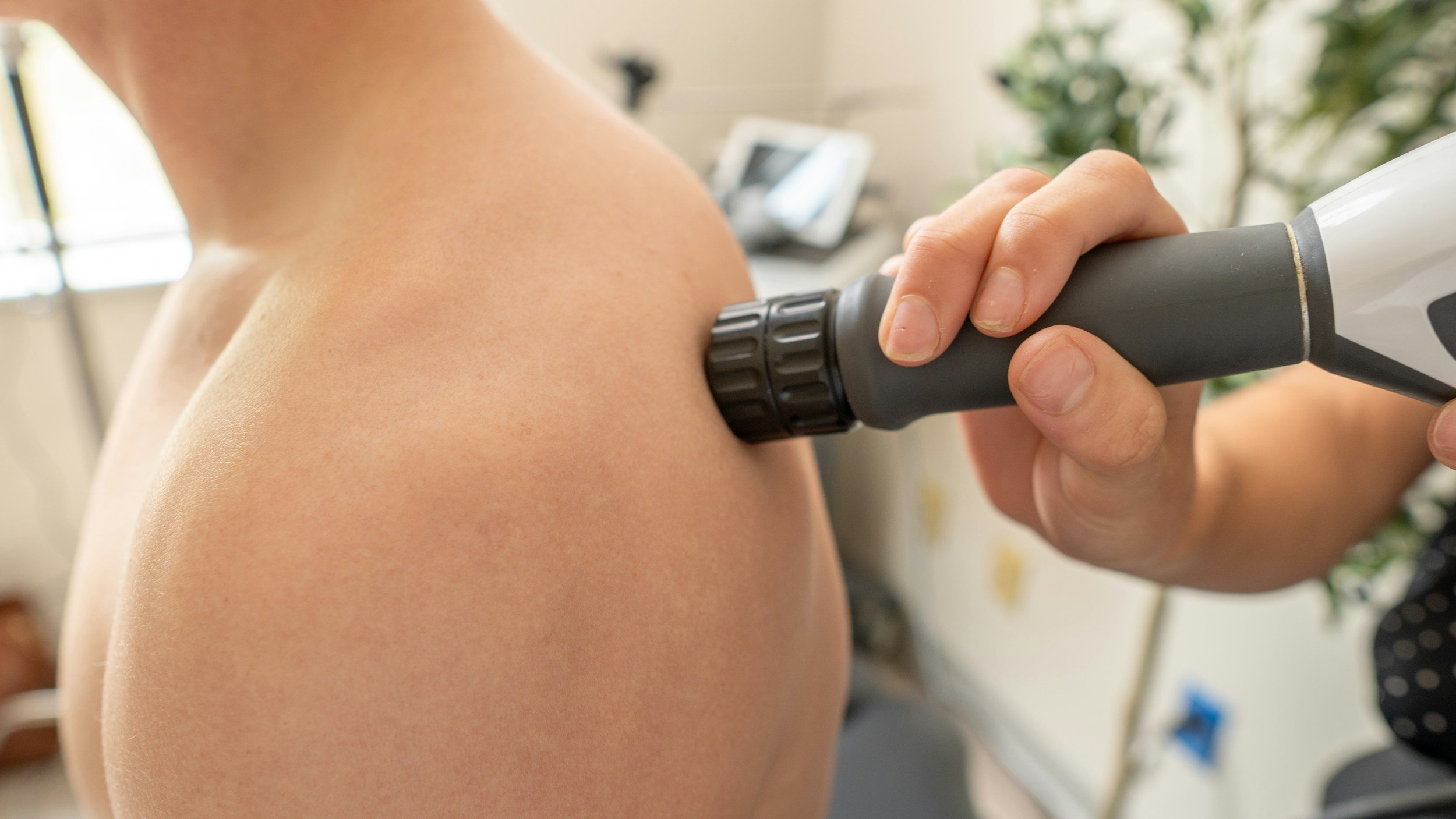
Adhesive Capsulitis or Frozen Shoulder is a shoulder condition that affects patients’ pain, range of motion and function for years.
There are two classifications of Frozen Shoulder, we have Primary or Idiopathic Frozen Shoulder, and Secondary Frozen Shoulder.
Primary Frozen Shoulder (Idiopathic)
No clear cause, highly likely due to chronic inflammatory conditions and/or autoimmune processes that affect the joint capsule (D. Li, J. St. Angelo, and M. Taqi. 2025)
Secondary Frozen Shoulder
Identifiable cause
Factors that increases the risk of Frozen Shoulder are the following:
History of shoulder trauma / surgery
Prolonged immobilization / non-usage of shoulder
Systemic disorder that disrupts the processes of the body:
Diabetes Mellitus
Thyroid Disorders
Autoimmune Diseases
Generally, women have higher risk of developing Frozen Shoulder, approximately 1.4:1 female to male ratio, with peak age of 40 to 70 years old, with the highest risk for people medically diagnosed with Diabetes Mellitus (D. Li, J. St. Angelo, and M. Taqi. 2025).
The core mechanism of Frozen Shoulder Progresses through these stages:
Synovial Inflammation
Capsular Fibrosis and Increased Collagen Deposition
Structural Thickening and Contracture of Joint Capsule
The Signs and Symptoms of Frozen Shoulder are the following:
Progressive shoulder pain, especially during movement and in the morning when sleeping on the affected shoulder
Decrease in function and range of motion of shoulder, especially in Abduction and External Rotation — normally noticeable during reaching overhead and dressing
The Stages of Frozen Shoulder:
Freezing: the most painful stage with progressive decrease in shoulder movement
Frozen: Pain is decreased with the highest limitation in range of motion
Thawing: Gradual recovery of range of motion
What are the most effective Evidence-Based Treatment for Frozen Shoulder?
Physical Therapy
Strengthening and stretching with mobilization to improve range of motion and function
Corticosteroid Injection / Pain Medication with Physical Therapy
Reduce pain sensation to allow physical therapy to perform strengthening and stretching with mobilization to improve range of motion and function
Surgical Intervention
Surgical release / manipulation under anesthesia to break the limitation followed by physical therapy to strengthen the shoulder muscles to improve function
Book your Frozen Shoulder Assessment today!
-
Li D, St Angelo JM, Taqi M. Adhesive Capsulitis (Frozen Shoulder) [Updated 2025 Mar 28]. In: StatPearls [Internet]. Treasure Island (FL): StatPearls Publishing; 2026 Jan-. Available from: https://www.ncbi.nlm.nih.gov/books/NBK532955/
Date A, Rahman L. Frozen shoulder: overview of clinical presentation and review of the current evidence base for management strategies. Future Sci OA. 2020 Oct 30;6(10):FSO647. doi: 10.2144/fsoa-2020-0145.
Achilova F, Daher M, Nassar JE, Daniels AH, Abboud JA. Frozen shoulder: Diagnosis and treatment of adhesive capsulitis. Am J Med. 2026 Jan 23:S0002-9343(26)00055-0. doi: 10.1016/j.amjmed.2026.01.021.
Ready to Start Your Journey? Book A Physiotherapy Session With Jedi Today!
Reaching out to a physiotherapist can be the turning point in your recovery. We're here to help you get back to doing the things you love, without being held back by pain.