

Bye Bye Bladder Leaks: Your Guide to Incontinence After Childbirth (And What You Can Do About It!)
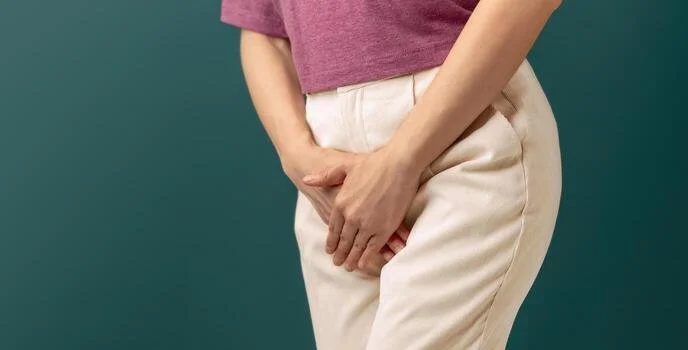
Giving birth is one of life’s most powerful experiences—but for many women, it can come with unexpected extra baggage: Incontinence. That’s when your bladder leaks urine without meaning to, especially when coughing, sneezing, running, lifting, or sometimes even at rest. Let’s talk about what’s really going on, how common it is, and what steps you can take to get back control.
How Common Is Postpartum Incontinence?
About 26–33% of women experience urinary incontinence within the first year after childbirth — roughly 1 in 3 moms. This figure comes from large population studies pooling postpartum incontinence data. (PubMed) In studies focused on first-time mothers, about 55% of primiparous women reported urinary incontinence at 12 months postpartum. (PubMed) While many cases improve on their own, research suggests that if symptoms persist beyond three months, there’s a high chance (around 92%) they’ll continue long-term without proper management. (mdpi.com) Globally, urinary incontinence affects approximately one-third of women, and among these women about 8.5% use pads daily. (PMC)
In short, urinary incontinence is common but not something you should just “put up with”.
Why Does It Happen?
During pregnancy and especially vaginal delivery, the pelvic floor muscles and nerves that support the bladder and urethra can stretch, weaken, or get injured. This makes it harder to control urinary flow, especially when pressure increases (like coughing, sneezing, or lifting). (PMC)
Some symptoms appear weeks to months after birth, which might surprise many women who assume it should only happen immediately after delivery.
Types of Incontinence New Mothers Might Experience
Stress Urinary Incontinence (SUI)
Leaks when pressure spikes: laughing, coughing, lifting.
Urge Incontinence
Sudden strong urge to pee that’s hard to stop.
Mixed Incontinence
A combination of both.
Of these, stress incontinence is the most common postpartum. (PMC)
If leaks persist beyond a few months, are frequent, or affect your daily life. Don’t wait to get evaluated.
Take the First Step Toward Regaining Control
Urinary incontinence after childbirth is common but treatable. With the right exercises, support, and medical guidance, many women regain bladder control and confidence.
At our clinic, we provide compassionate, private, and personalized pelvic floor assessments designed specifically for postpartum recovery. Whether your symptoms are mild or affecting your daily life, early care can make a significant difference.
Don’t wait for it to “just get better.” The sooner you begin treatment, the faster you can restore strength, confidence, and comfort.
Your body has done something incredible. Now it’s time to give it the care and support it deserves.
Book your Postpartum Pelvic Floor Assessment today!
-
Postpartum incontinence prevalence & risk: systematic reviews & meta-analyses. (MDPI)
Longer-term risk if unresolved. (PMC)
Vaginal delivery vs cesarean differences. (PubMed)
Risk factors & intervention insights. (SpringerLink)
Benefits of pelvic floor training. (OUP Academic)
Ready to Start Your Journey? Book A Physiotherapy Session With Isabella Today!
Reaching out to a physiotherapist can be the turning point in your recovery. We're here to help you get back to doing the things you love, without being held back by pain.