
A diagnosis of scoliosis often triggers immediate worry for patients and parents across the Philippines, with many assuming that spinal surgery involving metal rods and screws is an inevitable outcome. This pervasive fear causes unnecessary emotional stress and sometimes leads families to delay seeking help altogether.
The reality supported by the international scientific community, including the Society on Scoliosis Orthopaedic and Rehabilitation Treatment, is that the overwhelming majority of scoliosis cases can be successfully managed without ever stepping into an operating room. Non-surgical scoliosis treatment provides a safe, proactive, and proven pathway to halt spinal curve progression, alleviate discomfort, and preserve functional independence.
The Foundation: Curve-Specific Physiotherapy and Schroth Methods
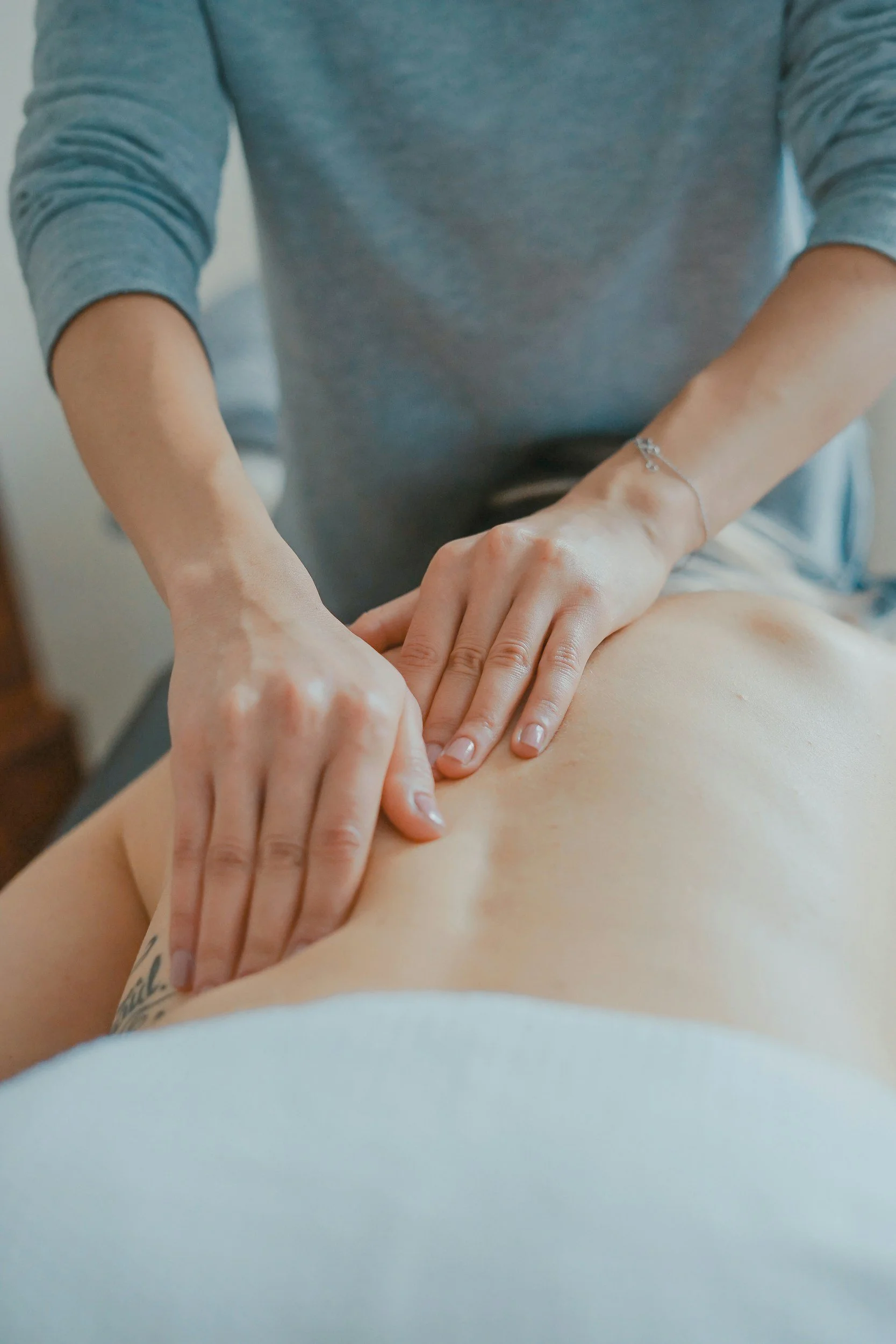
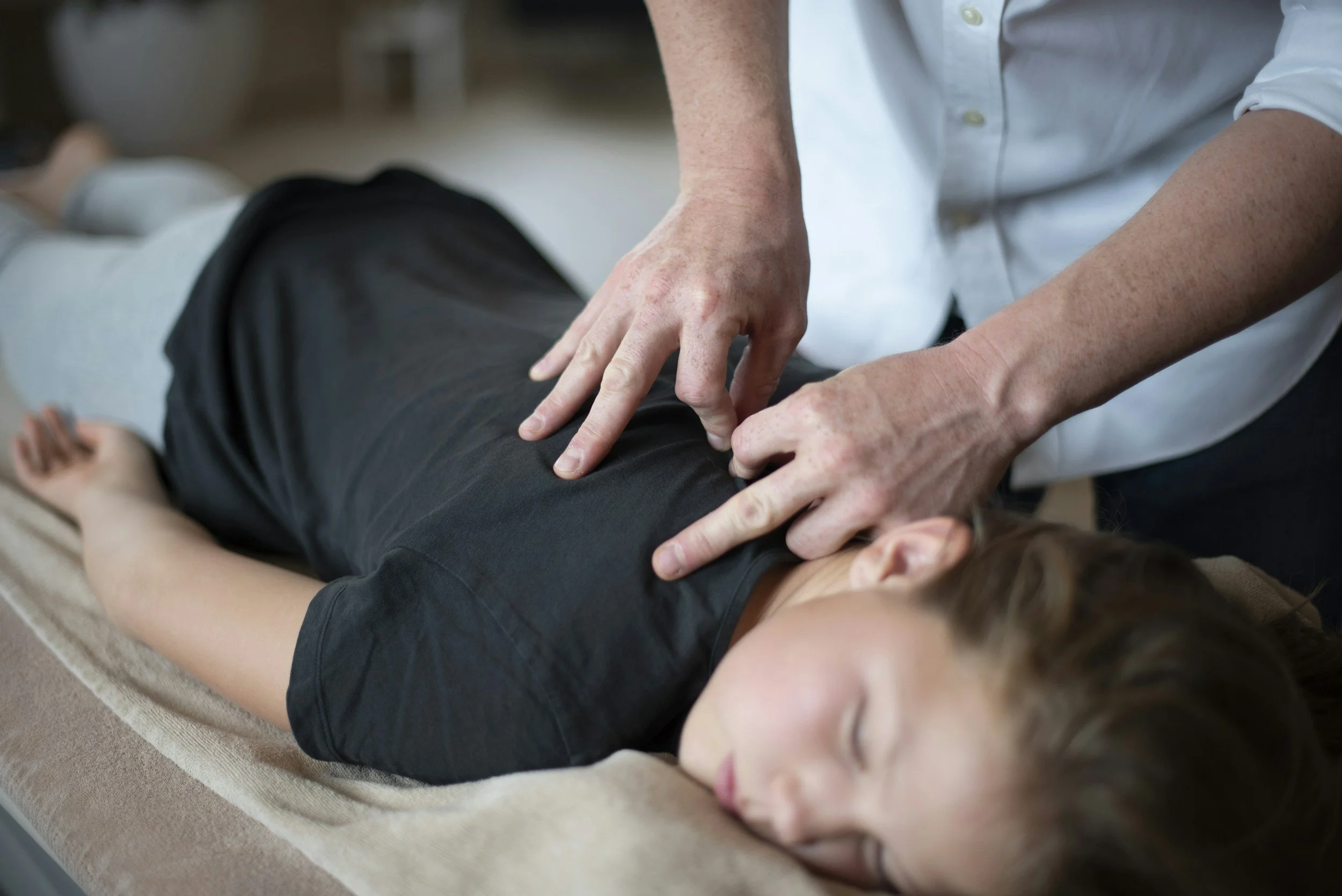
Effective conservative scoliosis therapy in the Philippines rests upon a coordinated tripod of care: curve-specific physical therapy, functional stability exercises, and corrective orthotic bracing when clinically indicated. The foundation of non-surgical care begins with Physiotherapy Scoliosis-Specific Exercises, most notably the Schroth method Philippines practitioners utilize. Unlike generic gym exercises or casual stretching routines that treat both sides of the body identically, Schroth therapy acknowledges that a curved spine possesses tight, shortened structures on the concavity and overstretched, weakened muscles on the convexity. Through curve-pattern-specific positioning and rotational angular breathing, patients systematically derotate their spine and rebuild muscular balance.
Reinforcing Spinal Stability with Clinical Pilates
To complement isolated curve correction, broader functional movement therapies like Clinical Pilates are integrated into rehabilitation. Under the watchful eye of a licensed physiotherapist, reformer- and mat-based Clinical Pilates trains deep core stabilisers, such as the transversus abdominis, multifidus, and pelvic floor, to support the spine under dynamic movement loads. This functional conditioning teaches patients how to hinge, lift, sit, and walk without dumping asymmetric mechanical forces into the apex of their spinal curve, which is particularly beneficial for adult scoliosis sufferers experiencing chronic compensatory back aches.
Synergistic Bracing for Growing Adolescents
For growing adolescents presenting with moderate spinal curves, typically measuring between twenty and forty degrees Cobb angle on an X-ray, specialised corrective bracing represents a vital non-surgical intervention. Modern rigid braces, such as custom-fabricated Chêneau-style braces, are crafted using computerised three-dimensional body modelling to apply derotational and corrective forces while guiding spinal growth. Modern bracing is not a replacement for exercise therapy; instead, bracing and Schroth therapy work synergistically. Targeted exercises maintain core muscle strength inside the brace and ensure that the spinal corrections achieved by the brace are maintained by the patient's own muscular system once bracing is completed.
Proactive Spinal Health at Prohealth Asia
Managing scoliosis successfully requires taking decisive, early action rather than passively hoping a curve will not worsen over time.
At Prohealth Asia Philippines, located within Centuria Medical Makati, our specialised physical therapists combine internationally recognised Schroth techniques with Clinical Pilates and posture re-education to deliver world-class non-surgical scoliosis care. Reach out to our clinic today to schedule a detailed spinal evaluation and take control of your spinal health.