
Shoulder stiffness that steadily steals away your ability to reach behind your back, fasten clothing, or lift your arm overhead is a distressing experience. When this limitation develops in someone living with diabetes mellitus, it is frequently not an isolated strain or rotator cuff tear, but rather the onset of diabetic frozen shoulder. Epidemiological research shows that individuals diagnosed with type 1 or type 2 diabetes are up to five times more likely to develop adhesive capsulitis than the general population.
In the Philippines, where the prevalence of diabetes continues to climb across urban centres, understanding the intimate biological link between diabetes and frozen shoulder is essential for early diagnosis and effective recovery.
The Biology of Collagen Glycation in the Shoulder Joint
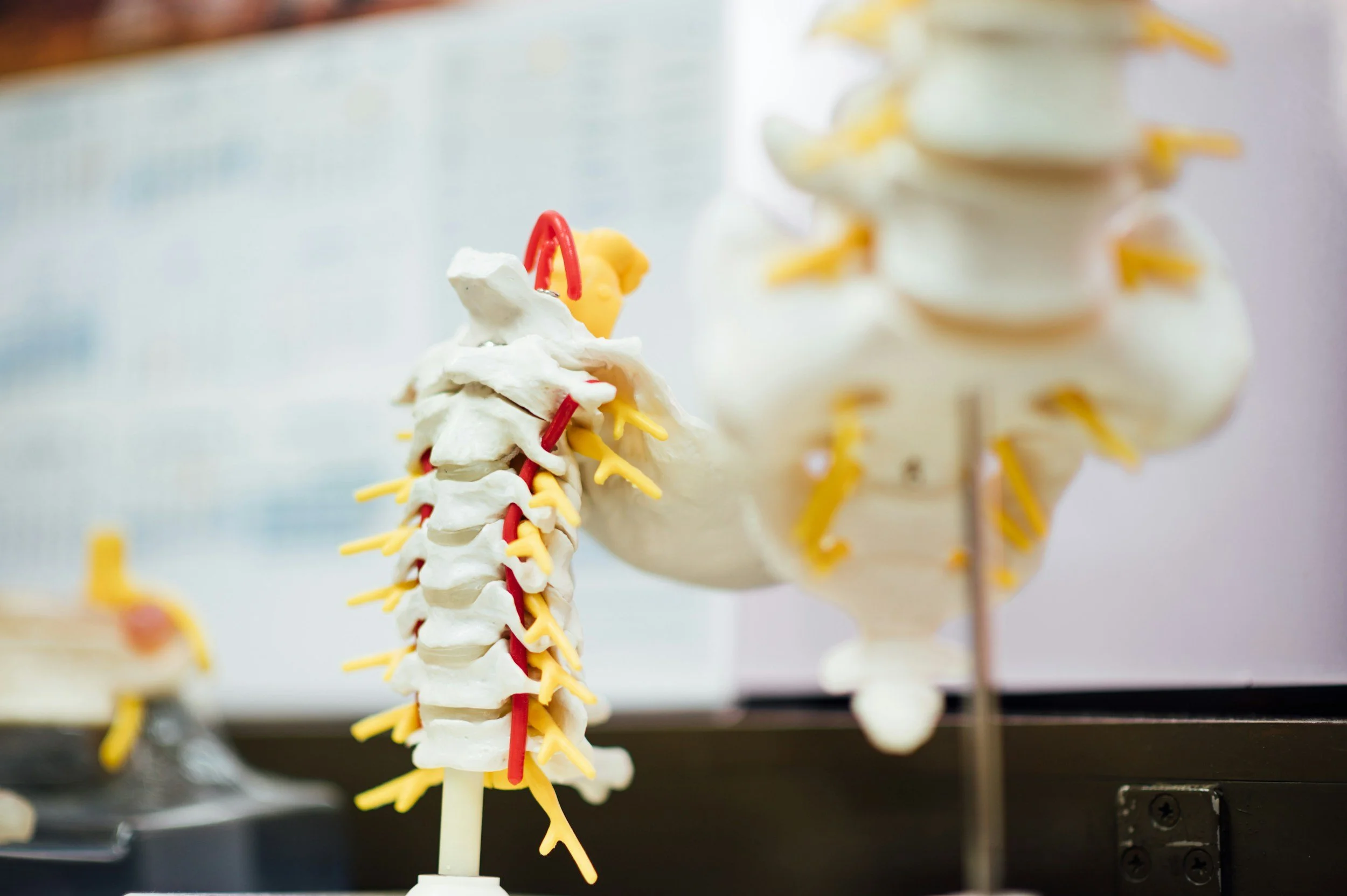
The mechanism connecting frozen shoulder diabetes lies in the way prolonged high blood glucose levels alter the body's connective tissues. When excess sugar circulates through the bloodstream over extended periods, glucose molecules bind abnormally to collagen proteins without the regulation of enzymes, a biochemical cascade known as advanced glycation end-products. Tendons, ligaments, and joint capsules are built predominantly of collagen. In individuals with diabetes, the glenohumeral joint capsule becomes inundated with these cross-linked sugars, causing the smooth, pliable joint lining to thicken, stiffen, and turn into tight, leathery scar tissue. Furthermore, systemic low-grade inflammation associated with metabolic syndrome accelerates this contracture, leading to profound pain and severely limited joint volume.
Why Diabetic Frozen Shoulder Demands a Tailored Clinical Approach
Diabetic frozen shoulder presents unique clinical hurdles compared to non-diabetic cases. Patients managing diabetes often experience a more aggressive inflammatory onset, significantly longer recovery trajectories, and an increased risk of developing the condition bilaterally in both shoulders. Because the capsule is densely contracted, forced manipulation or aggressive, painful stretching can trigger severe rebound inflammation, setting recovery back by months. Successful management necessitates a calibrated, staged physiotherapy approach that honours tissue irritability while systematically preventing further capsular shrinkage.
How Targeted Physiotherapy Restores Joint Mobility
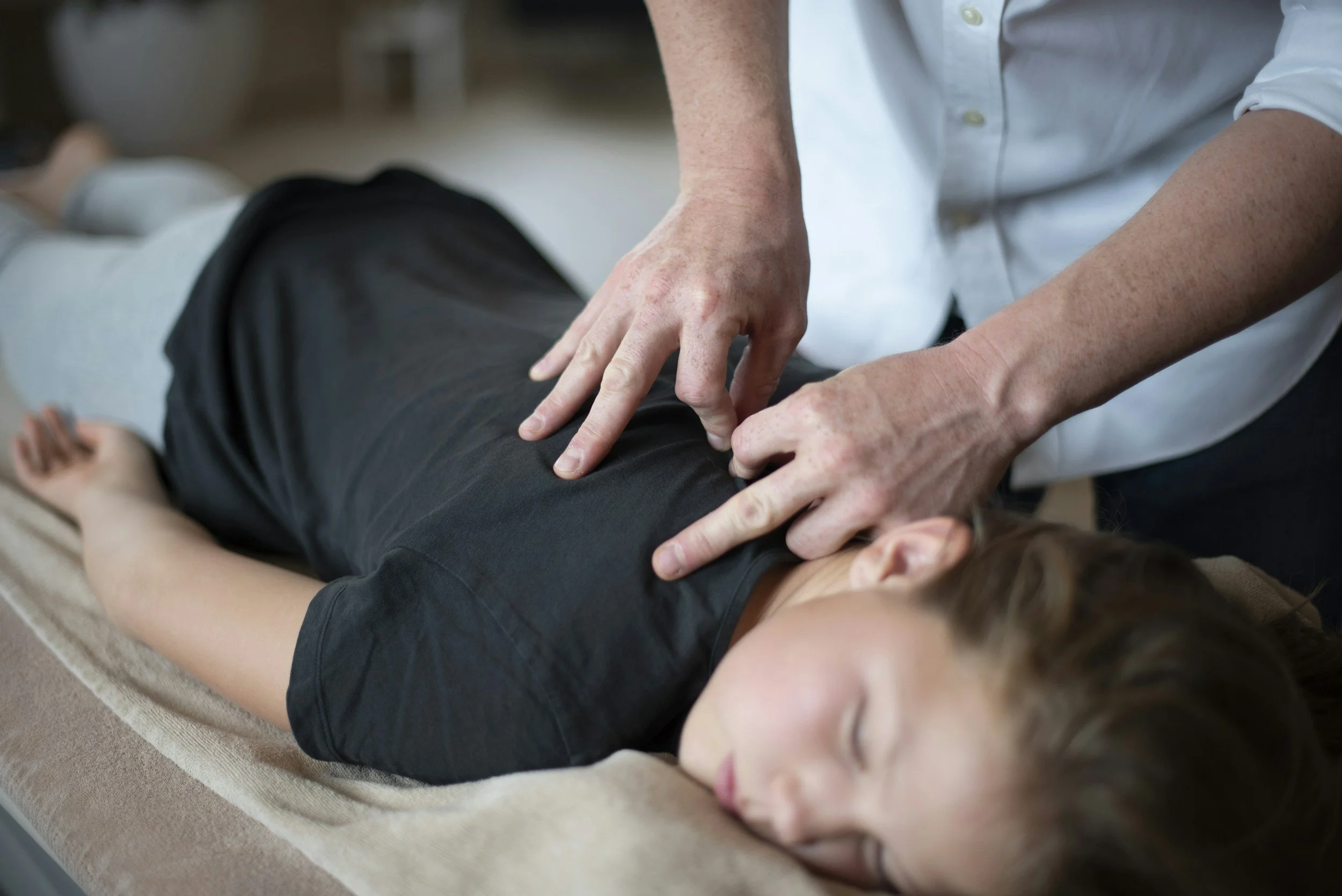
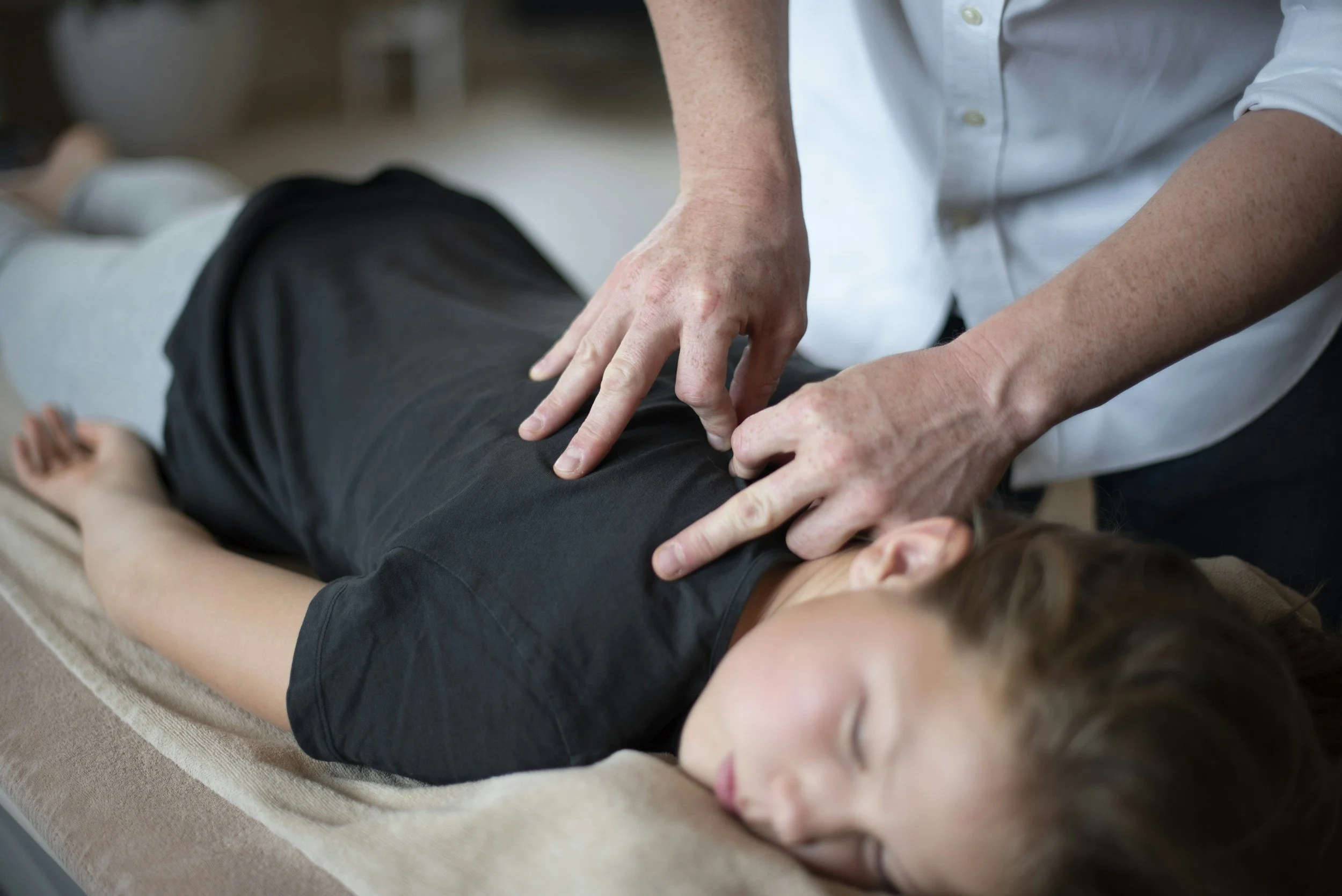
Physiotherapy intervention plays a central role throughout every phase of diabetic adhesive capsulitis. During the early, highly sensitive phase, skilled physical therapists utilise low-grade glenohumeral joint mobilisations, passive scapular glides, and gentle pendular movements to maintain fluid dynamics within the joint without irritating hyper-reactive nerve endings. Concurrently, hands-on myofascial release targets compensating muscle groups such as the upper trapezius, pectoralis minor, and levator scapulae, which routinely become tight and painful from attempting to hoist the stiff arm. As inflammation subsides, therapists guide patients through progressive active-assisted range of motion, capsular stretching, and rotator cuff isometric strengthening.
Regaining Shoulder Function at Prohealth Asia
Navigating frozen shoulder alongside diabetes requires patience, clinical precision, and coordinated care between your endocrinologist and your physical rehabilitation team.
At Prohealth Asia Philippines in Centuria Medical Makati, our licensed physiotherapists design gentle, evidence-informed rehabilitation protocols that respect diabetic tissue mechanics and guide you back to pain-free mobility. Contact our clinic today to schedule an evaluation and regain control over your shoulder health.