
When a child, teenager, or adult receives a scoliosis diagnosis, the recommendation from healthcare providers has historically been passive: monitor the spine with regular X-rays every six months, or prepare for extensive spinal fusion surgery if the curve crosses forty-five degrees.
This observational gap has left countless Filipino families feeling helpless as they watch postural asymmetry become more pronounced. Fortunately, international conservative scoliosis care has evolved dramatically through Physiotherapy Scoliosis-Specific Exercises, with the worldwide standard of care centred on the renowned Schroth method.
The Three-Dimensional Reality of Spinal Curves
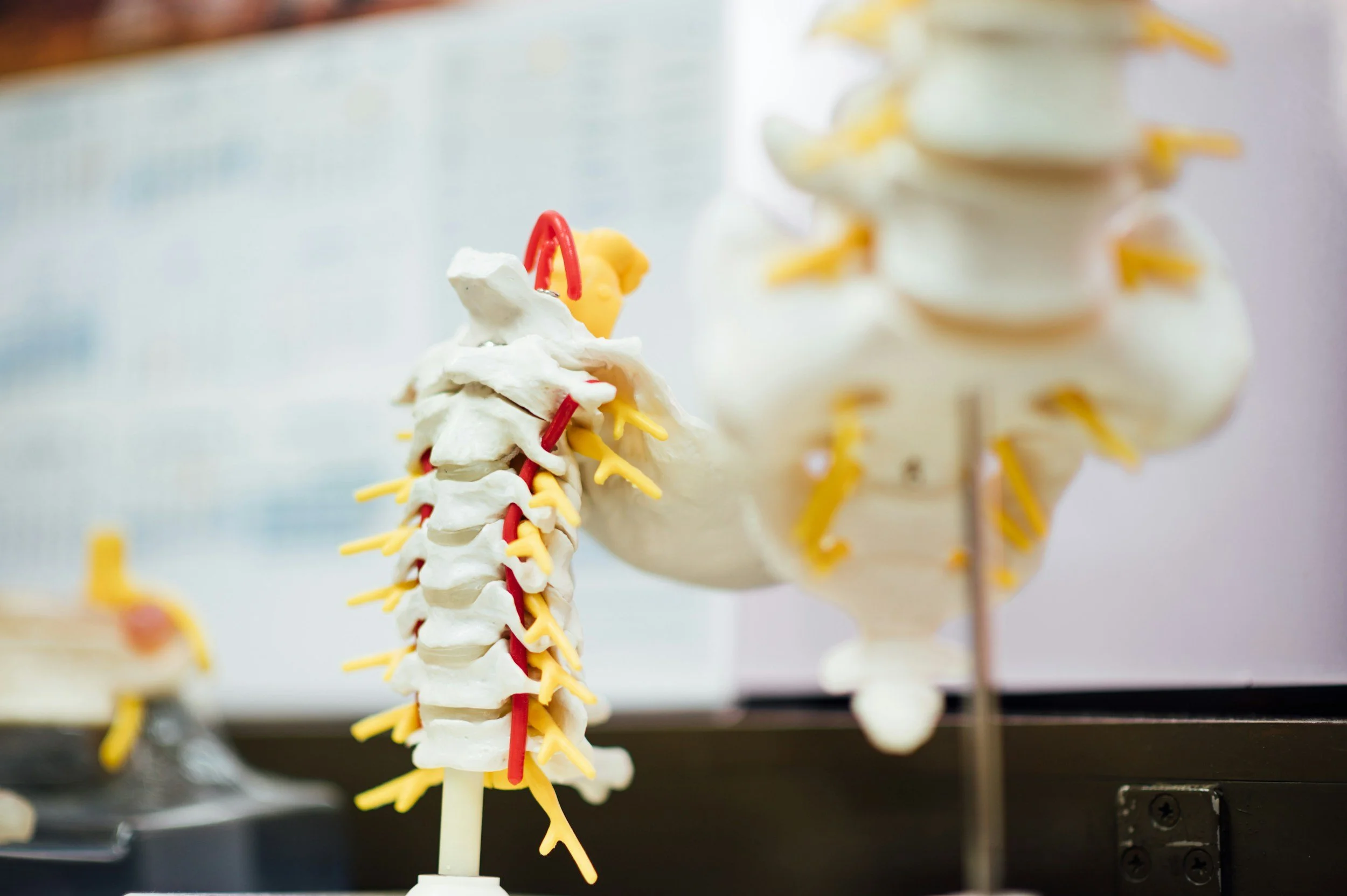
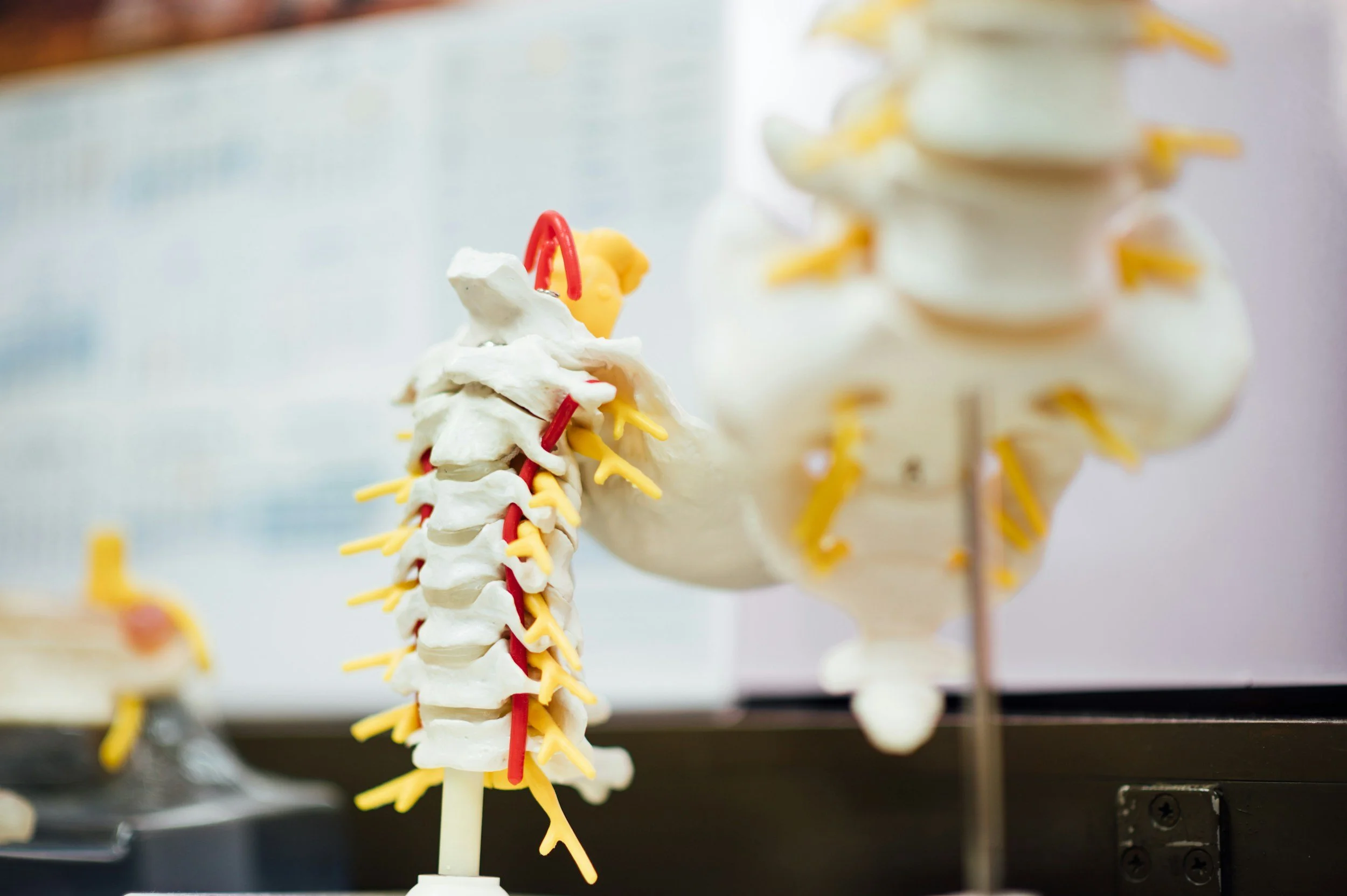
Developed in Germany by Katharina Schroth and continually refined by modern orthopaedic researchers, Schroth therapy is a specialised physical therapy discipline engineered specifically to address scoliosis as a three-dimensional spinal condition. In school screenings and routine medical checkups, scoliosis is often described simply as a side-to-side curve of the spine. However, true idiopathic scoliosis involves three simultaneous structural deviations: lateral curvature across the coronal plane, flattening of natural spinal curves across the sagittal plane, and axial rotation of the vertebrae across the horizontal plane. As the vertebrae rotate, they drag the ribs with them, producing the noticeable rib prominence or shoulder blade protrusion that families frequently observe when their child bends forward.
Core Principles: Auto-Elongation and Rotational Angular Breathing
The Schroth method operates on the principle that because scoliosis is a three-dimensional deformity, it must be treated using three-dimensional corrective forces. Therapy begins with active three-dimensional auto-elongation, where the patient is taught how to mentally and physically lengthen their spine upward against gravity to open compressed intervertebral spaces. Following elongation, the therapist guides the patient into specific positions of side-shift and derotation using specialised props, wall bars, and therapeutic wedges. The defining hallmark of Schroth therapy is Rotational Angular Breathing, a technique where the patient intentionally channels inhaled air into the sunken, concave areas of their rib cage, using internal lung expansion as a natural biological lever to push twisted ribs and vertebrae back toward midline alignment.
Candidate Selection: From Growing Adolescents to Adults
Who benefits most from this approach? For growing adolescents diagnosed with mild or moderate idiopathic scoliosis, Schroth therapy is exceptionally powerful; it works to halt curve progression during rapid growth spurts, improves cosmetic trunk symmetry, and frequently helps patients avoid the strict threshold for rigid bracing or surgery. For mature adults living with established or degenerative scoliosis, Schroth therapy provides substantial relief from chronic asymmetrical muscle strain, increases restricted pulmonary vital capacity, and prevents curve creep driven by age-related disc wear.
What to Expect During Schroth Therapy at Prohealth Asia
Choosing Schroth therapy means committing to an active, empowering rehabilitation process. Patients should expect intensive one-on-one sessions where they learn to read their own curve pattern, build heightened body awareness through mirror biofeedback, and master daily home exercise routines that reinforce corrected posture.
At Prohealth Asia Philippines in Centuria Medical Makati, our certified Schroth therapists deliver tailored scoliosis treatment that helps patients of all ages stand taller and move with confidence. Book an initial scoliosis assessment with our clinical team today.