
Why Resting Won’t Fix Your Heel Pain: A Modern Approach to Plantar Fasciitis
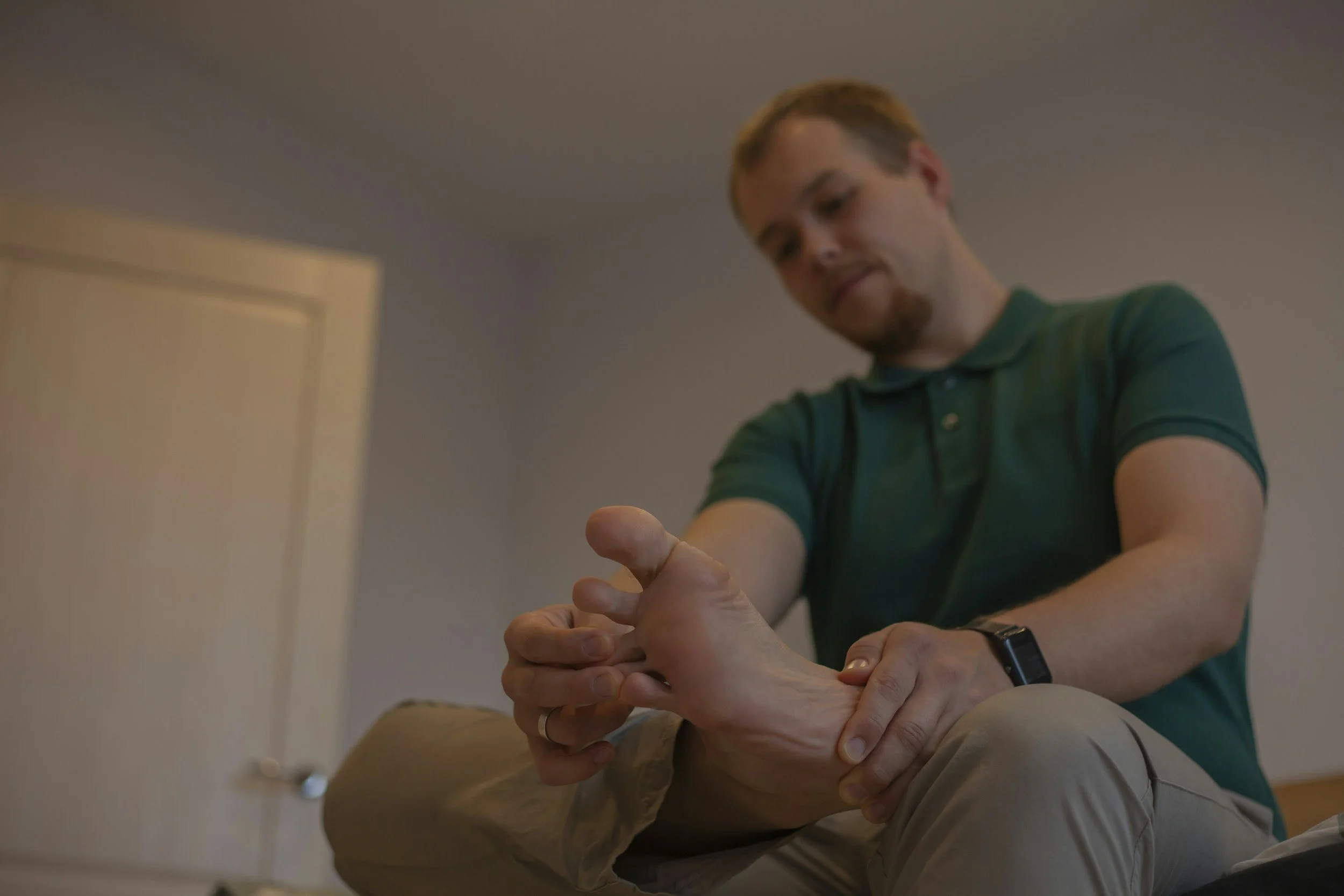
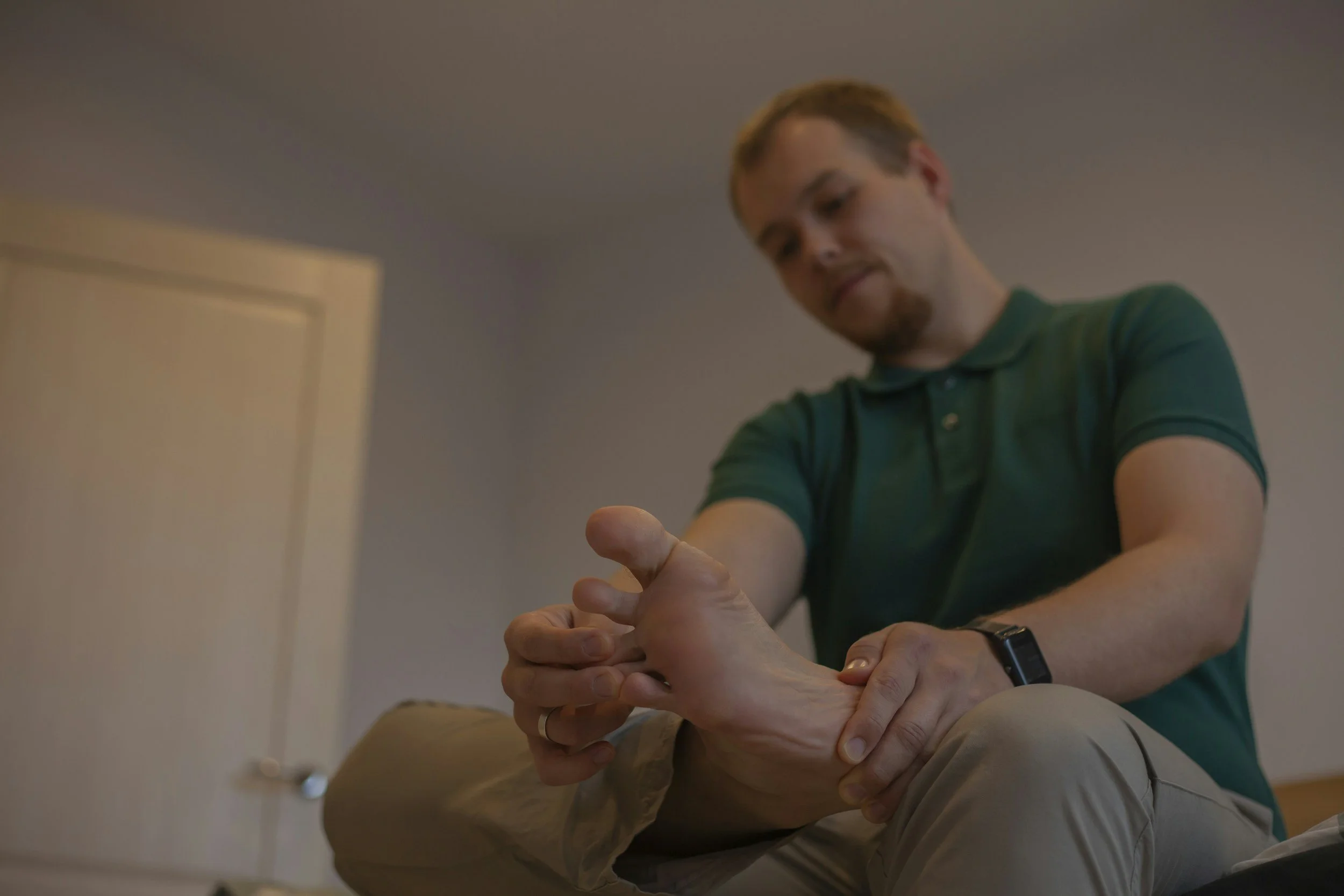
That sharp, stabbing pain under your heel during the very first steps out of bed in the morning is a classic, unmistakable sign of plantar fasciitis. For many runners, active individuals, and busy professionals, it makes standing, walking, or starting a morning workout feel nearly unbearable.
The typical response to heel pain is usually by stop running, avoid walking, roll your arch over a frozen water bottle, and wait for the inflammation to calm down. Yet, thousands of people experience the exact same frustrating pattern: the pain eases while taking it easy, only to return with a vengeance the moment they step back onto the pavement or court.
Why "Resting" Doesn't Heal the Plantar Fascia
For decades, plantar fasciitis was treated strictly as an inflammatory condition ("-itis"). However, recent histological research shows that chronic heel pain is rarely driven by active, long-term inflammation. Instead, it is typically a condition of degenerative strain, micro-tears, and poor collagen alignment—more accurately termed plantar fasciopathy.
When you rest for weeks, three things happen:
Tissue Capacity Drops: The plantar fascia and attached calf complex become weaker and less tolerant to load during extended periods of rest.
The Capacity Gap Widens: While resting reduces pain temporarily, it does nothing to build the load capacity required for daily walking, running, or jumping.
The First Step Shock: The moment you resume normal activity, your under-conditioned arch is suddenly subjected to body weight and ground reaction forces, re-triggering tissue strain immediately.
Resting removes the stimulus for pain, but it also removes the stimulus required for tissue repair and strengthening.
The Flaw of Passive Treatments
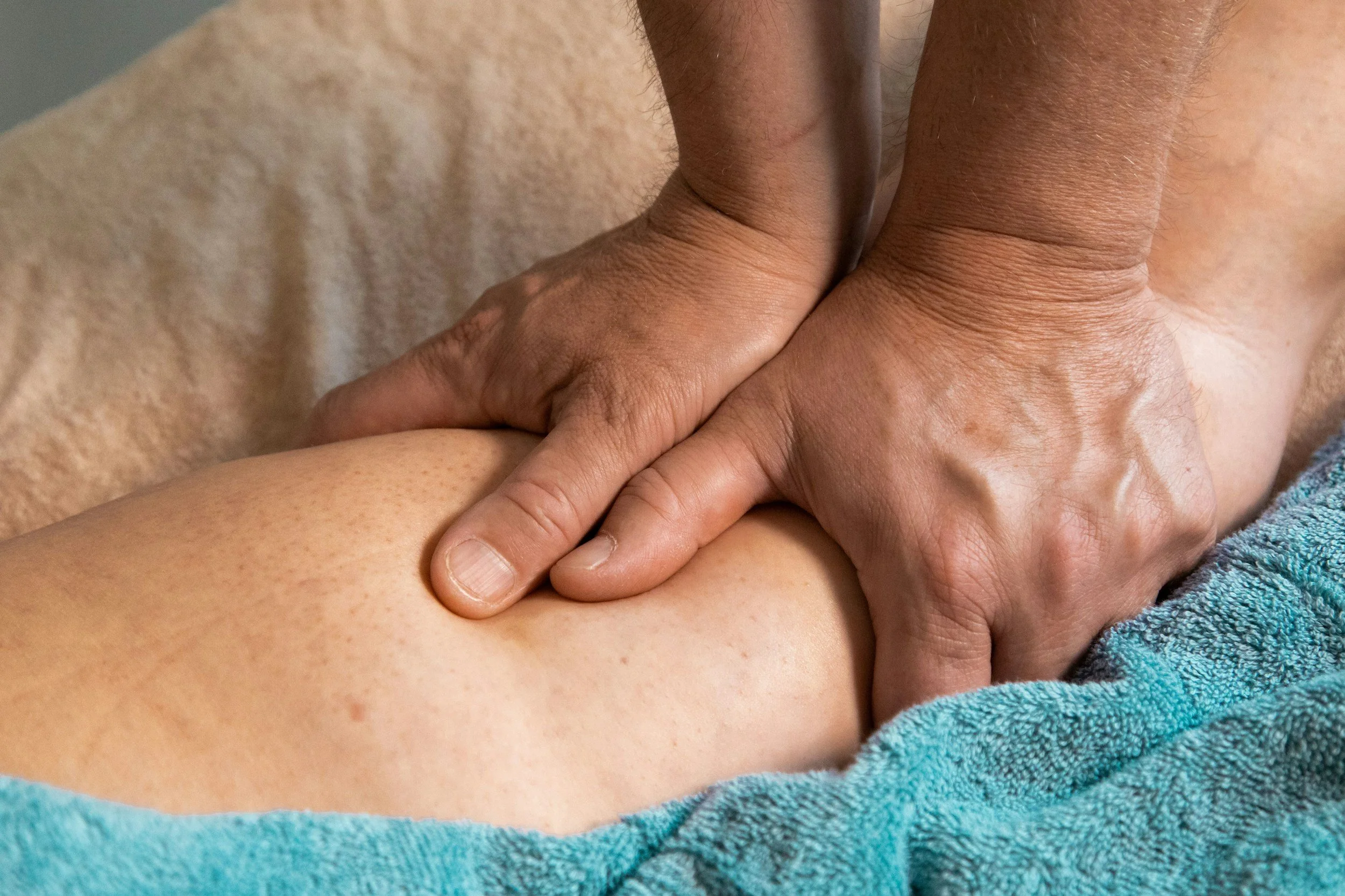
Rolling your foot over a frozen water bottle, wearing soft gel insoles, or getting temporary massage release can offer short-term symptomatic relief. They act as "pain quieters", soothing hyper-sensitive nerves and temporarily easing muscle tightness around the arch.
However, passive treatments do not rebuild structural tissue integrity. Soft insoles cushion the foot, but they don’t strengthen the intrinsic foot muscles or improve ankle mobility. Without addressing why the tissue failed in the first place, passive remedies act as temporary bandages rather than permanent solutions.
What Modern Physical Therapy Does Differently
At Prohealth Asia Philippines, our modern treatment approach shifts away from passive rest toward progressive tissue loading. We follow a structured, active rehabilitation roadmap to restore your foot’s structural capacity:
1. High-Load Strength Training
Research confirms that heavy, slow resistance training is one of the most effective treatments for chronic plantar fascia strain. By performing targeted calf raises with a rolled towel under the toes (to wind up and strain the plantar fascia intentionally), we stimulate new collagen production, realign tissue fibers, and drastically increase load tolerance.
2. Biomechanical & Kinetic Chain Assessment
Heel pain is rarely just a foot problem. We evaluate the entire lower kinetic chain:
Ankle Dorsiflexion: Restricted ankle mobility forces the foot to over-pronate, placing excessive tension on the arch.
Hip and Core Stability: Weak gluteal muscles cause poor leg alignment during impact, increasing rotational strain down at the heel.
Foot Intrinsic Strength: Strengthening the tiny muscles inside the arch helps share the load with the plantar fascia.
3. Smart Load Management (Not Complete Rest)
Instead of putting you on complete bed rest, we modify your activity volume. We help you find your "sweet spot", a level of physical activity that keeps you moving without irritating the tissue beyond its recovery threshold.
Actionable Steps You Can Take Today
If you are currently struggling with morning heel pain, replace complete rest with these proactive habits:
Warm Up Before Standing: Before getting out of bed, perform 15–20 ankle circles and flex your toes upward toward your shin to warm up the plantar fascia before putting full body weight on it.
Avoid Walking Barefoot: Indoors, wear a supportive shoe or structured footwear temporarily to avoid placing peak stretch on an unconditioned arch first thing in the morning.
Target the Calf Complex: Perform gentle, active calf stretches against a wall with a bent knee and a straight knee to address both the gastrocnemius and soleus muscles.
Break the Rest-Pain Cycle for Good
Plantar fasciitis does not have to be a multi-year struggle that sidelines you from your favorite activities or makes daily walking uncomfortable. By transitioning from passive resting to active strength rehabilitation, you can build a resilient foot that handles daily demands with ease.