
Deep Tissue vs. Sports Massage: Which One Does Your Body Actually Need?
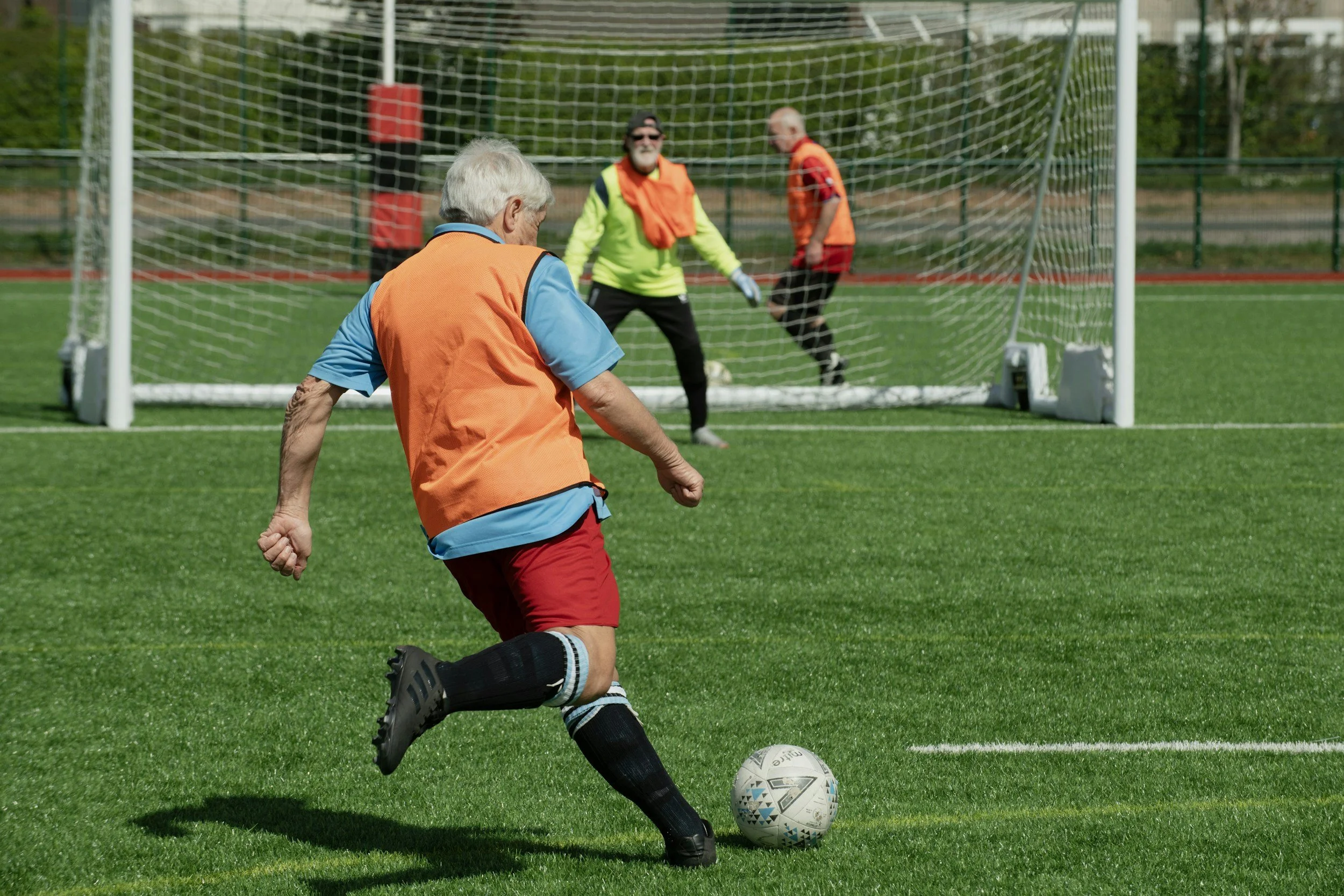
Whether you are training for an upcoming triathlon, or pushing through heavy strength sessions at the gym, recovery is where performance is made.
When muscle tightness and fatigue set in, most active individuals know they need hands-on recovery. However, a common dilemma arises at the clinic desk: Should I get a deep tissue massage or a sports massage?
While both techniques fall under manual soft tissue therapy, they serve fundamentally different purposes. Choosing the wrong modality can leave you excessively sore right before a competition or fail to address the specific joint restriction holding back your personal record.
Deep Tissue Massage: Releasing Generalized Tension
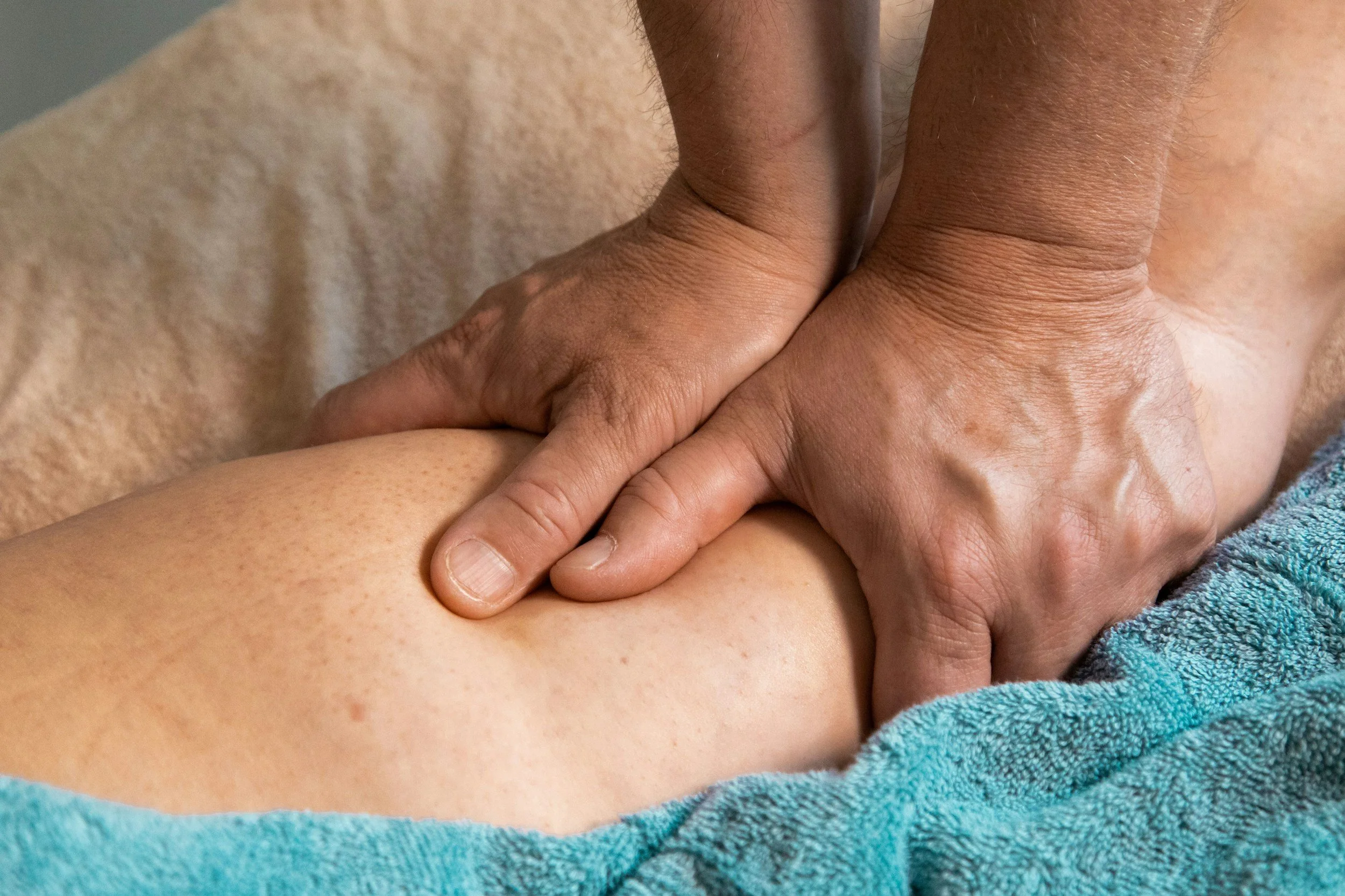
A deep tissue massage is designed to relieve chronic muscle tension across broad muscular zones. It focuses on the deeper layers of muscle tissue, fascia, and connective tissue using slow, sustained pressure and friction across the grain of the muscle fibers.
Primary Characteristics:
Goal: To break up chronic adhesions (muscle knots), decrease general muscle tone, and alleviate stress-induced physical tightness.
Technique: Slow, firm strokes using elbows, forearms, and thumbs, working progressively deeper into overloaded muscle groups.
Best Used For: Individuals dealing with generalized body stiffness, chronic postural strain (such as tight shoulders from computer work), or non-specific muscle soreness after a heavy training block.
Sports Massage: Performance, Biomechanics & Recovery
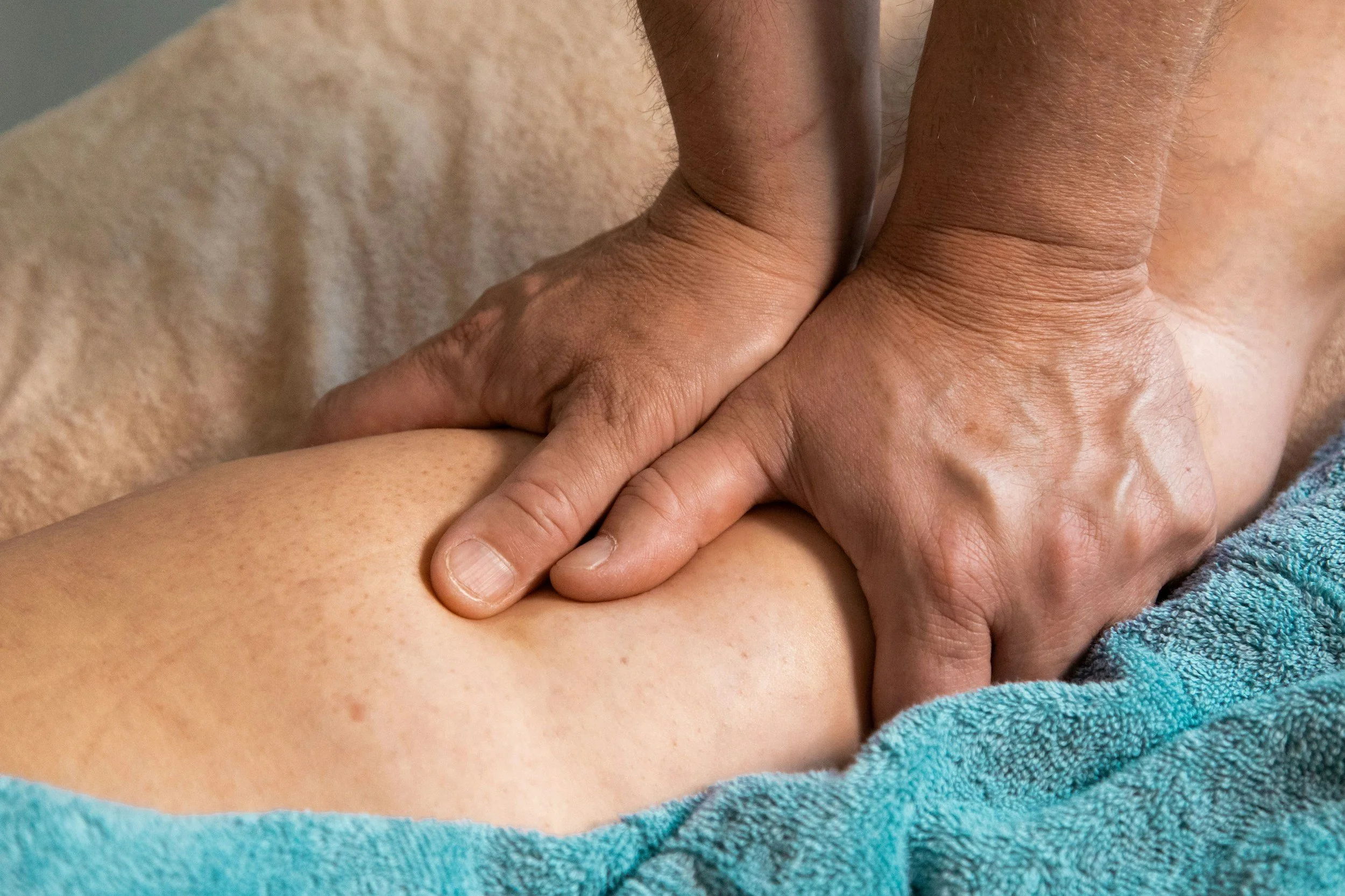
Unlike deep tissue work, a sports massage is a targeted, goal-oriented intervention tailored to an individual’s sport, training cycle, and specific movement patterns. It is not just about pressing hard—it is about restoring functional range of motion and optimizing tissue elasticity.
A qualified sports physiotherapist or sports massage therapist evaluates how your body moves before applying specific techniques.
Primary Characteristics:
Goal: To enhance athletic performance, accelerate recovery between sessions, prevent overuse injuries, and improve functional mobility.
Technique: A dynamic mix of soft tissue release, trigger point therapy, active or passive stretching, myofascial release, and PNF (Proprioceptive Neuromuscular Facilitation) techniques.
Best Used For: Athletes preparing for an event, individuals recovering from intense training, or anyone dealing with specific movement limitations (e.g., restricted ankle mobility affecting squat depth).
Timing Is Everything: When to Choose Which
Understanding when to schedule your session is just as important as choosing the right treatment. Applying heavy, deep pressure at the wrong point in your training cycle can actually hinder performance.
Pre-Event (24–48 Hours Before): Fast-Paced Sports Massage
Light, rhythmic strokes and dynamic stretching stimulate blood flow and warm up tissues without fatiguing or damaging muscle fibers.Post-Event (Within 24 Hours): Flushing Sports Massage
Gentle, superficial flushing strokes help clear metabolic waste and decrease post-exercise swelling without causing further micro-tears.Off-Season or Maintenance: Deep Tissue or Sports Massage
Deep pressure can be safely applied to break up long-standing fascial restrictions and chronic muscle tightness when immediate recovery time isn't required.Targeted Injury Rehab: Sports Massage Combined with Active Physiotherapy
Combines targeted soft tissue release with active movement assessments to fix underlying biomechanical faults.
Why Sports Massage Belongs in an Active Physiotherapy Plan
While a deep tissue massage feels great for overall stress relief, it treats symptoms in isolation. If your hamstring keeps feeling "tight," pressing down hard on it week after week will only offer temporary relief if the real culprit is weak glute activation or poor pelvic stability.
At Prohealth Asia Philippines, our sports massage therapy operates alongside our evidence-based physiotherapy care. By combining targeted soft tissue work with active mobility drills and strength rehabilitation, we ensure that the gains in muscle relaxation translate directly into better, pain-free movement on the field, court, or track.
Quick Guide: Which Should You Book?
Choose Deep Tissue if: You want full-body relaxation, feel globally tight from stress and long hours, and do not have an impending sports competition in the next 48 hours.
Choose Sports Massage if: You are training for a specific event, dealing with a localized muscle strain or joint restriction, or want a targeted recovery protocol that aligns with your athletic program.
Optimize Your Athletic Recovery
Don't let muscle tightness compromise your athletic potential or keep you sidelined. Work with our team of expert physiotherapists to give your body exactly what it needs to perform at its best.