
From Pavement to Court: How Foot Mechanics Drive Plantar Fasciitis in Padel and Pickleball Players
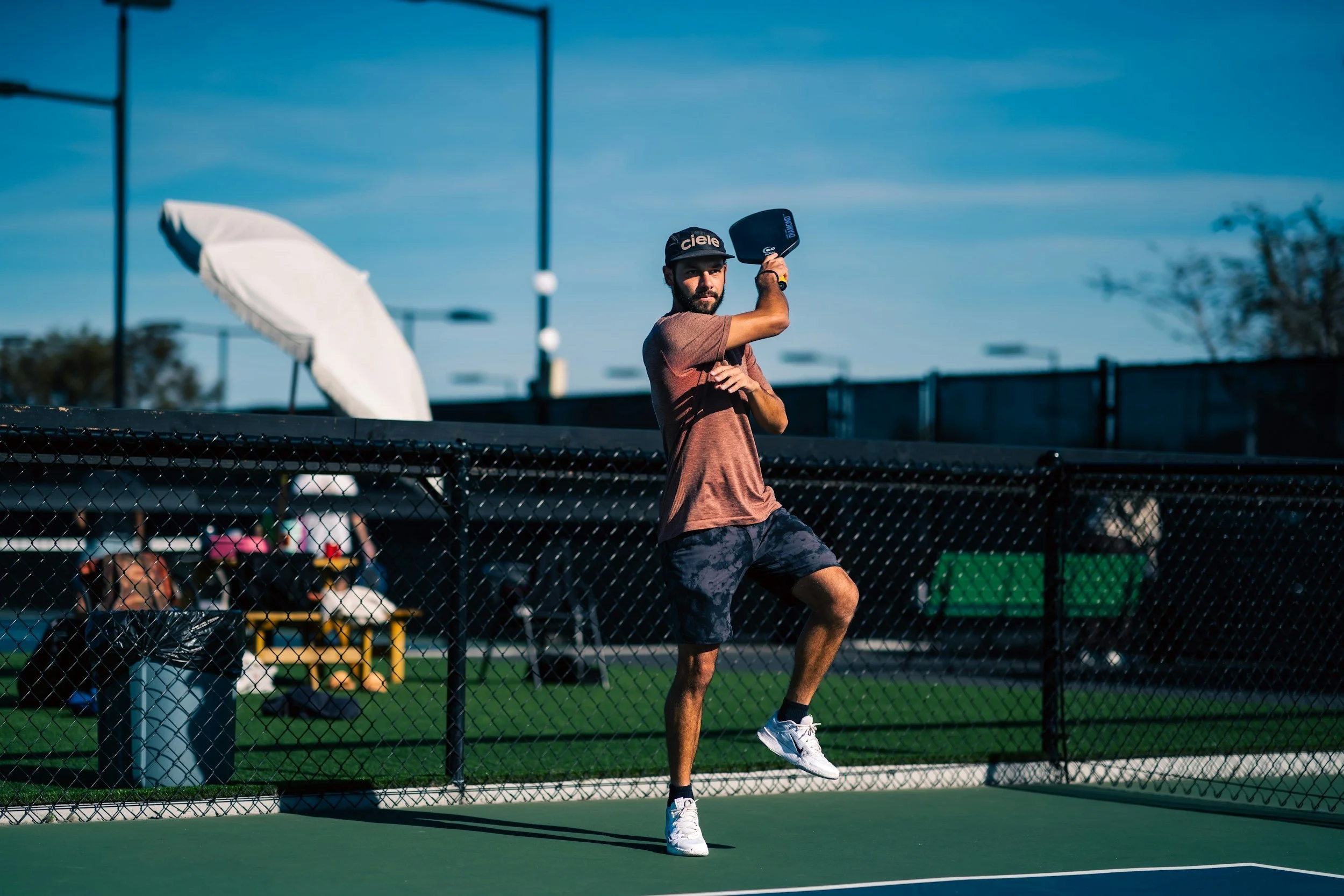
Across Metro Manila, court sports have experienced an unprecedented surge in popularity. Padel and pickleball courts are popping up everywhere, drawing running enthusiasts, gym-goers, and recreational athletes eager for high-energy, social competition.
However, transitioning from forward-linear sports, like running along a paved track, to multidirectional court sports exposes the feet to an entirely new set of mechanical demands.
Understanding how rapid lateral movements and hard court surfaces stress the arch of your foot is the key to staying active, competitive, and pain-free on the court.
Court Biomechanics 101: The Strain of Multidirectional Play
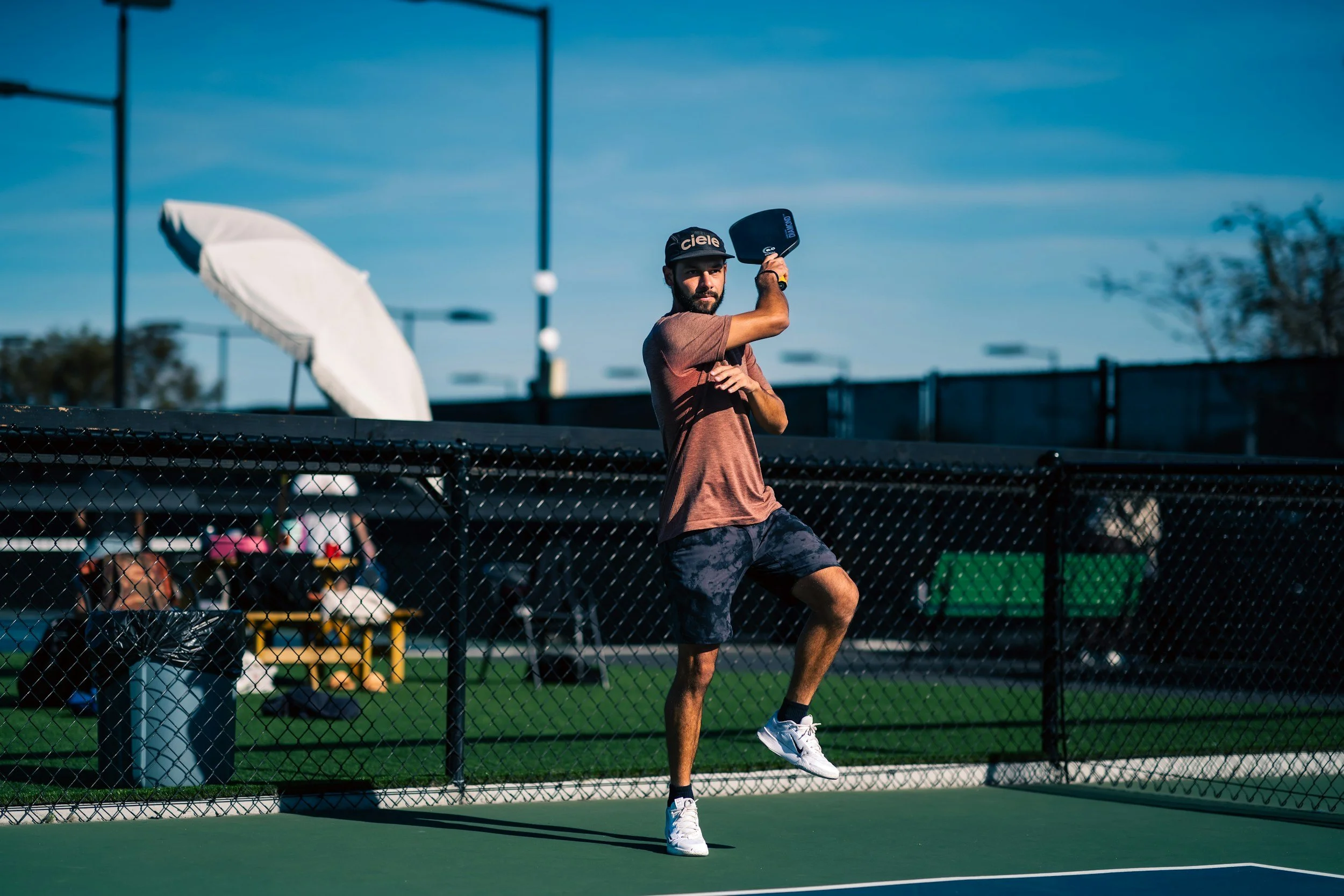
Unlike running, which primarily involves straightforward propulsion, court sports require continuous, unpredictable changes of direction. Padel and pickleball demand rapid side-to-side shuffling, explosive sprint starts, sudden decelerations, and vertical jumping for overhead smashes.
Every time you plant your foot to cut laterally or push off forcefully, your arch experiences intense mechanical stress:
The Windlass Mechanism in Overdrive: As you push off from the ball of your foot, your big toe extends, pulling the plantar fascia tight across the bottom of the foot like a cable. Sudden, repetitive push-offs multiply this tensile load exponentially.
Shearing Forces from Lateral Deceleration: Stopping abruptly on high-traction court surfaces creates heavy lateral shearing forces across the soles of your feet.
Hard Court Shock Absorption: Playing on unyielding asphalt or concrete courts leaves little room for impact dissipation, forcing the intrinsic foot structures and lower leg tendons to absorb ground reaction forces directly.
Key Risk Factors: Why Court Players Suffer from Heel Pain
When court demand exceeds tissue capacity, micro-tears and strain develop in the plantar fascia. Several biomechanical factors significantly increase your risk:
1. Restricted Ankle Dorsiflexion
If your ankle joint lacks the flexibility to bend forward cleanly over your foot (dorsiflexion), your body compensates by over-pronating, collapsing the inner arch inward. This excess flattening stretches the plantar fascia beyond its comfortable limits during every lateral step.
2. Weak Hip Stabilizers
Padel and pickleball require rapid weight transfer. If your gluteus medius and hip rotators are weak, your knees cave inward (valgus collapse) during sudden stops. This poor mechanical alignment travels down the kinetic chain, putting abnormal torque on the arch and heel.
3. Wearing the Wrong Footwear
Many beginner court players show up in running shoes or light trainers. Running shoes are engineered solely for forward motion, featuring higher heel drops and soft, flexible sidewalls that offer zero lateral stability. Without dedicated court shoes, your arch undergoes excessive twisting with every change of direction.
Prevention & Rehabilitation Protocol for Court Athletes
At Prohealth Asia Philippines, our sports physiotherapy team helps court players return to full match fitness without sacrificing performance. Our targeted protocol includes:
Dynamic Court Warm-Up Drills: Replacing static stretches with multidirectional ankle mobility, calf activations, and multi-plane lunges before stepping onto the court to prepare tissues for high-impact loads.
Shock Absorption & Deceleration Training: Teaching proper landing mechanics and eccentric calf strength to help your lower leg absorb shock efficiently during sudden stops.
Custom Orthotics & Footwear Consultation: Assessing whether custom insoles or structural court footwear are required to properly support your arch during lateral play.
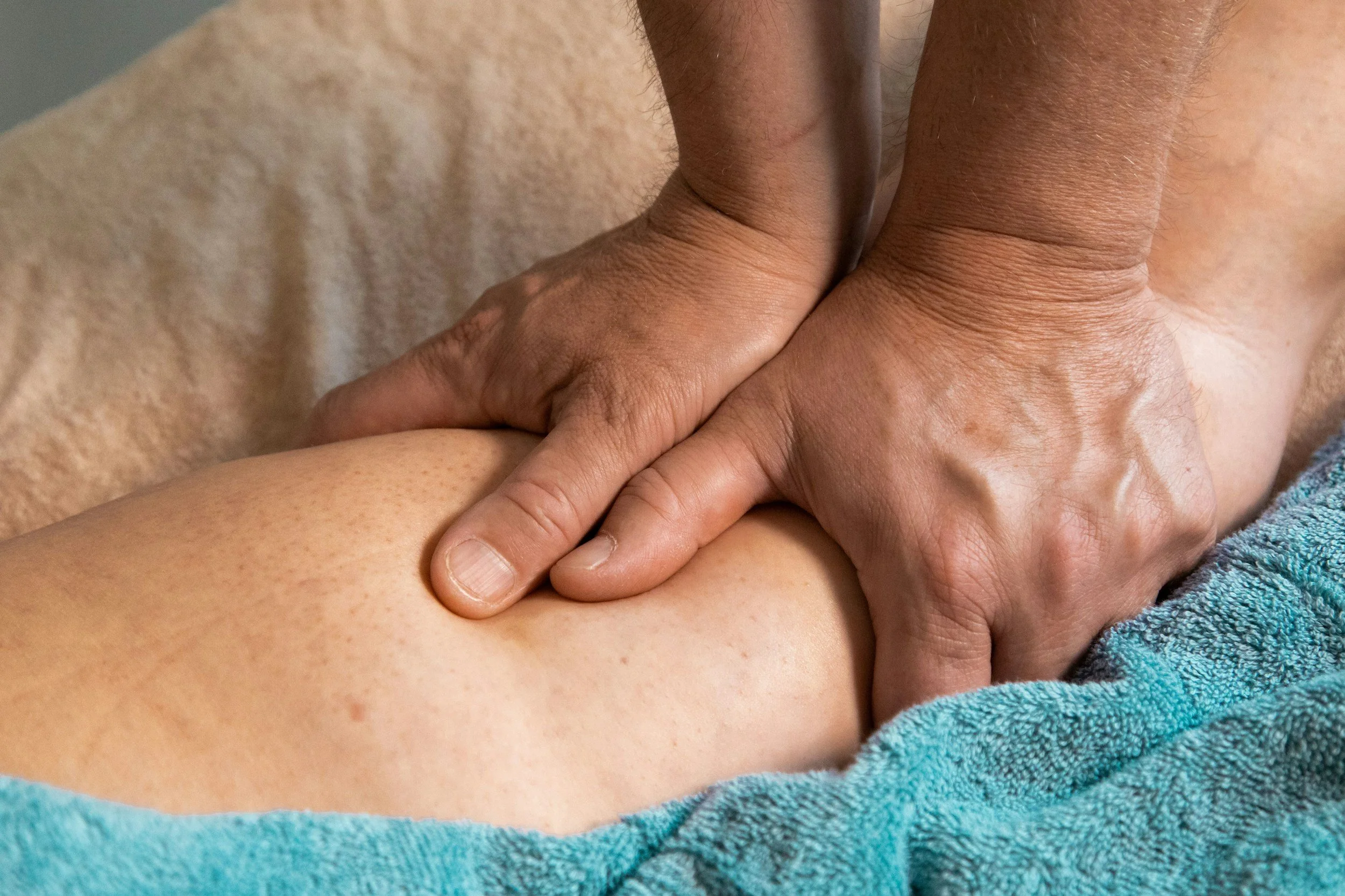
Targeted Manual Therapy & Soft Tissue Release: Applying targeted soft tissue release to the gastrocnemius, soleus, and plantar fascia to restore flexibility and alleviate chronic tension.
3 Quick Fixes Before Your Next Match
Switch to Court Shoes: Invest in footwear specifically designed for tennis, padel, or pickleball. They feature wider outsoles, reinforced lateral support, and durable rubber grips built for court friction.
Roll the Calf, Not Just the Arch: Use a foam roller on your upper and lower calf muscles after matches to relieve tension on the Achilles tendon, which directly pulls on the plantar fascia.
Strengthen the Intrinsic Foot Muscles: Perform toe-curling exercises (toweling) and short-foot activations to build resilient foot muscles that actively support your arch during lateral shuffles.
Keep Playing Pain-Free on the Court
Court sports are fantastic for cardiovascular fitness and social play, but playing through heel pain will only worsen structural strain and extend your time on the sidelines. Identifying your biomechanical weak spots early ensures you can smash, volley, and slice with complete confidence.