
Tennis Elbow vs. Pickleball Elbow: Treating Overuse Injuries in Trendy Racquet Sports
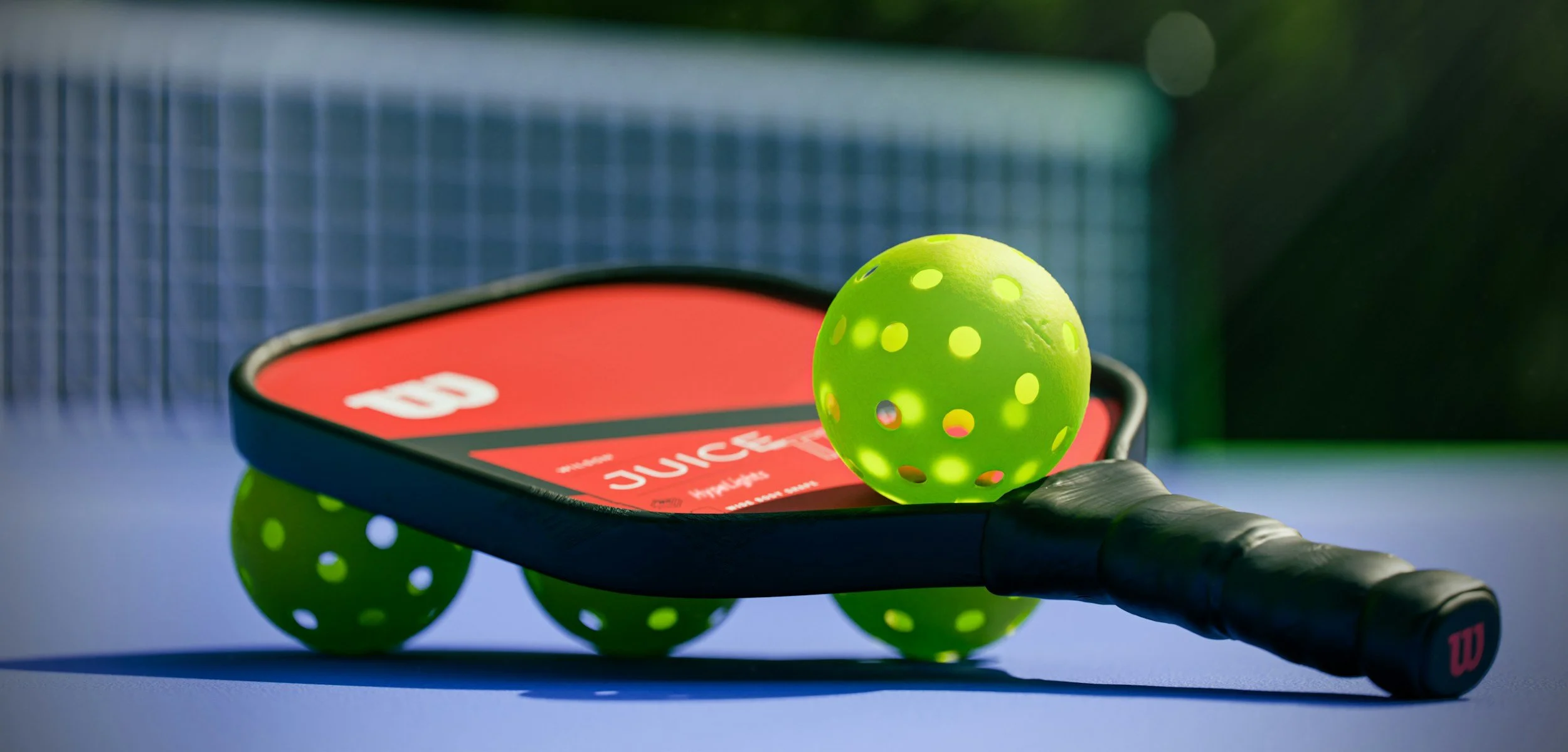
Racquet sports are becoming increasingly popular, from tennis matches to the growing pickleball community. These sports are fun, social, and great for fitness — but they can also lead to one of the most common overuse injuries seen today: tennis elbow.
Despite the name, tennis elbow does not only affect tennis players. It can also happen in pickleball players, gym-goers, office workers, and anyone performing repetitive gripping or wrist movements. In fact, because of pickleball’s rapid rise in popularity, many people now casually refer to similar symptoms as “pickleball elbow.”
What is Tennis Elbow?
Tennis elbow, medically called lateral epicondylitis, is an overuse injury of the forearm muscle (ECRB) that stabilizes the wrist. When the muscle is overused, microscopic tears form on the tendon of the forearm muscle, located on the outer part of the elbow. This leads to pain directly over the area.
It develops when repetitive movements strain the wrist and forearm muscles. In racquet sports, repeated swinging, gripping, and backhand motions place stress on these tendons, especially when technique or conditioning is poor (Orthoinfo, n.d.)
Common Signs and Symptoms
The symptoms usually develop gradually rather than suddenly. Many players first notice mild discomfort that worsens over time.
Common symptoms include:
Pain on the outer part of the elbow
Weak grip strength
Forearm tightness or soreness
Pain during racquet swings, especially backhand movements
(Cleveland Clinic, 2026)
How Does Physiotherapy Help?
Physiotherapy plays an important role in both recovery and prevention. Treatment focuses not only on relieving pain, but also on identifying and addressing the underlying causes of the injury.
A physiotherapist may use:
Activity modification to reduce tendon strain
Stretching exercises for tight wrist and forearm muscles
Strengthening exercises for the forearm, shoulder, and upper back
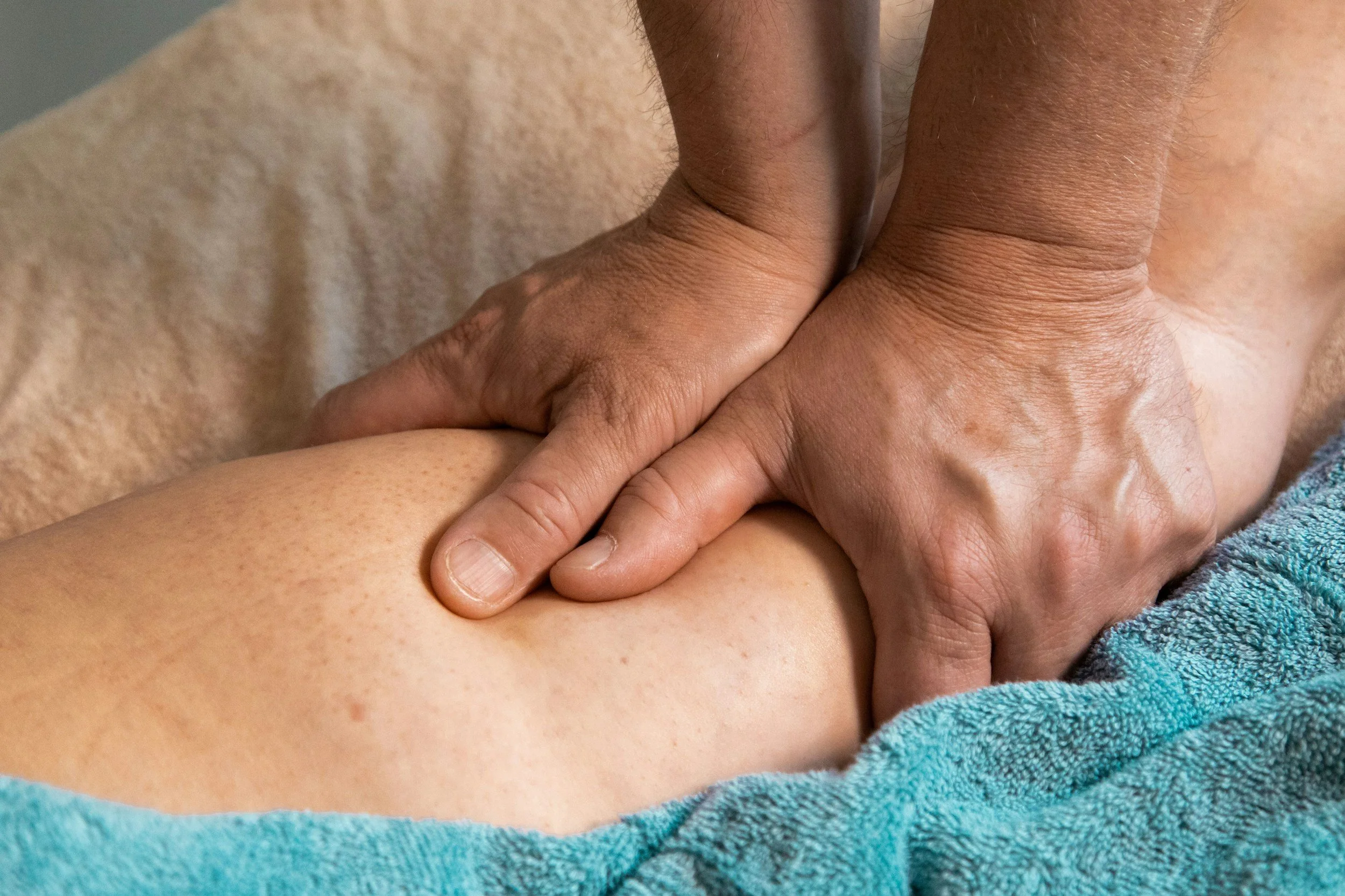
Manual therapy to improve mobility and reduce muscle tension
Ice or other pain-relieving modalities
Education on proper technique and posture
As pain improves, exercises are gradually progressed to help the tendon tolerate movement and load again safely (Cleveland Clinic, 2026 ).
Helpful Tips for Prevention and Recovery
Avoid doing “too much, too soon.” Sudden increases in playing time or intensity can overload the tendons.
Warm up properly before playing
Strengthen the wrist, forearm, and shoulder muscles
Avoid gripping the racket too tightly
Use the correct racket grip size
Take rest days between intense games
Stop early if pain begins instead of pushing through it
Most importantly, listen to your body. Mild pain is often an early warning sign, not something to ignore.
-
Tennis elbow (lateral epicondylitis) - orthoinfo - aaos. OrthoInfo. (n.d.). https://orthoinfo.aaos.org/en/diseases--conditions/tennis-elbow-lateral-epicondylitis/
What is the best way to fix tennis elbow?. Cleveland Clinic. (2026, April 14). https://my.clevelandclinic.org/health/diseases/7049-tennis-elbow-lateral-epicondylitis
Ready to Start Your Journey? Book A Physiotherapy Session With Eurissa Today!
Reaching out to a physiotherapist can be the turning point in your recovery. We're here to help you get back to doing the things you love, without being held back by pain.