
The Filipino Runner’s Guide to Shin Splints: Recovery Tips to Get You Back on the Road

Whether you’re training for your first 5K at an event, joining weekend fun runs, or simply trying to stay active, shin pain can quickly turn an enjoyable run into a frustrating experience.
As a physiotherapist, one of the most common complaints I hear from runners is: “The front of my leg hurts when I run.” This is often caused by shin splints — a common overuse injury among runners, especially beginners or those suddenly increasing their training. According to literature on shin splints prevention, it accounts for 6%-16% of all running injuries and up to 50% of all overuse lower leg injuries (Bhusari & Deshmukh, 2023).
What Are Shin Splints?
Shin splints refer to pain along the shin bone (tibia), usually felt on the inner part of the lower leg. The medical term is Medial Tibial Stress Syndrome (MTSS) (Bhusari & Deshmukh, 2023).
The pain usually:
Starts during or after running
Feels sore, tender, or achy
Happens after increasing mileage or intensity
Gets worse if ignored
Overworked muscles, tendons, and bone tissues are usually the cause from sudden increase in work or load. And if not managed, a frequent complication of shin splint is a stress fracture of the tibia (Bhusari & Deshmukh, 2023).
Common Causes of Shin Splints
Shin splints can result from several factors, such as a sudden increase in running intensity or distance, excessive training, improper footwear, muscle imbalances in the lower limbs, tight or weak calf muscles, problems with hip and pelvic control, and having a body mass index (BMI) greater than 30 (Bhusari & Deshmukh, 2023).
Recovery Tips: How to Manage Shin Splints
1. Reduce Running Temporarily
This doesn’t always mean complete bed rest. Instead, we reduce mileage, avoid sprinting or hills, or taking a few days off if needed. The goal is to let the irritated tissues calm down.
You can stay active through other low impact activities, such as:
Cycling
Swimming
Brisk walking
Elliptical training
2. Ice the Area
Apply ice for 15–20 minutes after activity to help reduce pain and inflammation.
3. Stretch Your Calves Daily
Tight calves are one of the biggest contributors to shin pain. Calf stretches (Wall or Bent-knee) can be helpful in alleviating tightness and pain.
Hold each stretch for 30 seconds and repeat 2–3 times.
4. Strengthen Your Legs and Hips
Recovery isn’t just about resting — it’s also about getting stronger. Strong hips and legs help absorb impact better during running.
Focus on:
Thigh and leg muscles
Trunk & Hip stabilizers
Foot intrinsics
5. Check Your Running Shoes
Running shoes generally last around 500–800 kilometers depending on use. If you run regularly, your shoes may wear out faster than expected.
Choose shoes that:
Feel comfortable immediately
Match your foot type
Provide enough cushioning and support
6. Don’t Rush Your Comeback
One pain-free run does not mean you’re fully healed.
A safe return-to-run plan usually looks like:
Short easy runs first
Gradual mileage increases
Rest days between runs
How Can Physiotherapy Help You?
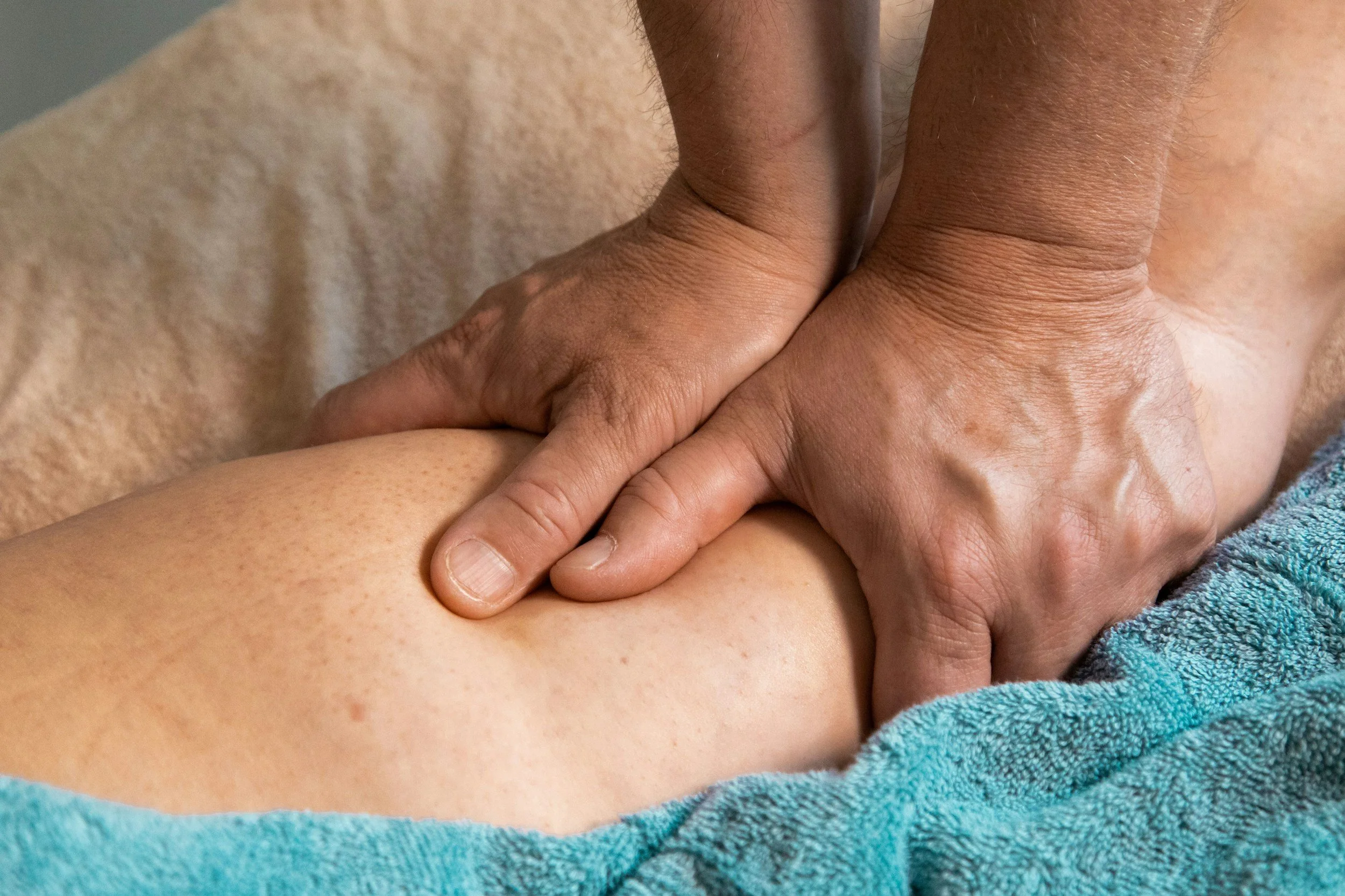
A consultation with a physiotherapist will not only focus on alleviating pain, but also identifying the root cause and making sure it doesn’t happen again.
We will look into:
Muscle imbalances
Mobility restrictions
Running mechanics issues
Training issues: mileage, intensity, and frequency
The earlier you address the problem, the faster and safer your recovery will be.
So if your shins are starting to complain, slow down, recover properly, and come back smarter. The road will still be there when you’re ready.
Consistency beats intensity when it comes to long-term running progress.
-
Bhusari, N., & Deshmukh, M. (2023, January 18). Shin Splint: A Review. Cureus. https://pmc.ncbi.nlm.nih.gov/articles/PMC9937638/
Ready to Start Your Journey? Book A Physiotherapy Session With Eurissa Today!
Reaching out to a physiotherapist can be the turning point in your recovery. We're here to help you get back to doing the things you love, without being held back by pain.