
Why Is It Harder to Get Healthier as We Age?

In our 20s, most people find it relatively easy to gain or lose weight to reach their ideal physique. However, as we reach our 30s, many who were once fit begin to struggle with weight maintenance. This shift is why many believe that metabolism significantly declines once we hit 30. Yet, according to Pontzer (2021), metabolism for both sexes actually stabilizes and remains consistent from our 20s through our 60s—even during pregnancy.
Why is it hard to manage our weight in our 30s?
If metabolism isn't the culprit, what is? Here are several factors that contribute to the difficulty of weight management:
Genetics and Biological Predisposition: Some individuals are genetically predisposed to conditions that disrupt metabolism, such as PCOS, making weight management significantly harder.
Socioeconomic Status: For those living in developing countries and surviving paycheck-to-paycheck, several barriers arise:
It is difficult to afford healthier food options that meet specific micronutrient and macronutrient needs.
Time for exercise and de-stressing is scarce when one is preoccupied with basic survival.
Lifestyle: If your daily routine doesn't allow for movement, adequate sleep, or stress management, the physiological and mental toll can hinder your health goals.
The "Third Space": If you live in an area lacking accessible community spaces to congregate and de-stress, you may find it harder to stay active due to a lack of safe, nearby environments.
As Filipinos, what can we do to manage our weight?
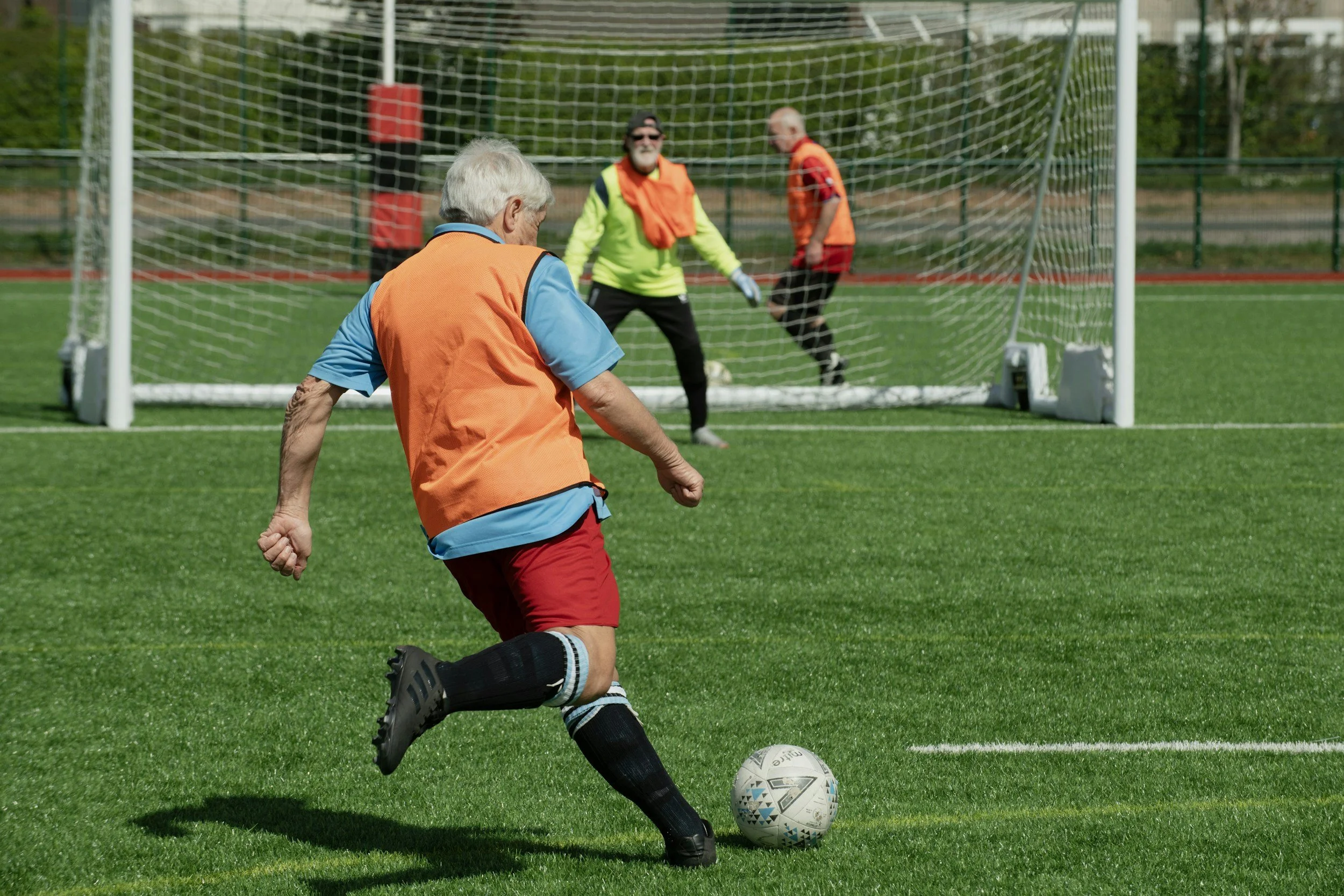
The key is to focus on what we can control amidst the chaos. Find a sport or activity you enjoy that fits within your budget. Surround yourself with kind, supportive people and prioritize having fun. In this economy, finding time to move and de-stress is a challenge—which is exactly why making that time is a radical act of self-care.
-
H. Pontzer et al. (2021). Daily energy expenditure through the human life course.Science373,808-812(2021).DOI:10.1126/science.abe5017
Pataky MW, Young WF, Nair KS. Hormonal and Metabolic Changes of Aging and the Influence of Lifestyle Modifications. Mayo Clin Proc. 2021 Mar;96(3):788-814. doi: 10.1016/j.mayocp.2020.07.033. PMID: 33673927; PMCID: PMC8020896.
Palmer AK, Jensen MD. Metabolic changes in aging humans: current evidence and therapeutic strategies. J Clin Invest. 2022 Aug 15;132(16):e158451. doi: 10.1172/JCI158451. PMID: 35968789; PMCID: PMC9374375.
G. Cruz, C. Cruz, & Y. Saito (2025). Ageing and Health in the Philippines: Wave 2. Indonesia. Economic Research Institute for ASEAN and East Asia. ISBN no. 978-602-5460-61-6
Ready to Start Your Journey? Book A Physiotherapy Session With Jedi Today!
Reaching out to a physiotherapist can be the turning point in your recovery. We're here to help you get back to doing the things you love, without being held back by pain.